Credit card transactions are integral to modern consumer life, with billions of purchases processed online every year. However, the increasing reliance on credit cards comes with significant risks, particularly concerning the protection of personal data. Safeguarding sensitive financial information isn’t just the responsibility of financial institutions; consumers must also be proactive. Various credit card security measures, such as data encryption and fraud monitoring, are designed to protect cardholders. Yet, the task of protecting personal data online remains a shared effort between businesses, consumers, and governments.
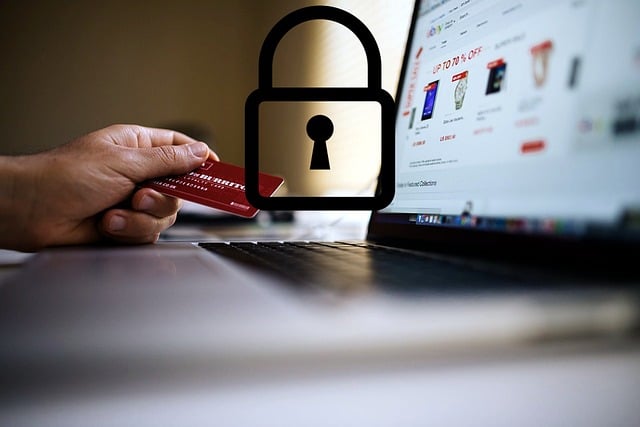
The Growing Importance of Credit Card Security
Did you know that nearly 46% of Americans have fallen victim to credit card fraud at some point in their lives? When we look at the creepingly high rate of credit card fraud, one thing becomes painfully obvious – shielding our financial secrets from prying eyes has to be our top priority. The digital payment landscape is a fraudster’s paradise – a never-ending stream of sensitive info just waiting to be snatched. No wonder credit card security has become a paramount concern for people and institutions alike.
Staying one step ahead of cyber threats means financial institutions must remap their security approaches – regularly. Upgrading your approach demands a certain level of buy-in from the entire team. Forget the sleek designs and glossy finishes – it’s the intricate chip technology inside that really matters, kickstarting a revolution in portable power and efficiency. While fraud on physical cards has decreased, online threats are still running rampant. For example, EMV (Europay, Mastercard, Visa) chip cards, introduced to combat counterfeiting, make it harder for criminals to clone cards. Most online safeguards don’t do enough to prevent cybercriminals from snagging sensitive card information during online purchases.
Credit Card Security Measures: A Multi-Layered Approach
How do banks and payment processors protect credit cardholders? It all boils down to several key security measures designed to make it more difficult for hackers to access personal and financial data.
- Tokenization: Tokenization replaces sensitive card data with a unique identifier (or token), making it nearly impossible for hackers to use intercepted information. The actual card data remains securely stored by the payment processor, away from the merchant’s systems, further enhancing data protection.
- Two-Factor Authentication (2FA): This method provides an additional layer of security by requiring users to verify their identity through a second factor, such as a fingerprint or a one-time code sent to their phone. According to a report by Google, 2FA can block 99.9% of automated cyberattacks, significantly reducing the risk of unauthorized access.
- Fraud Detection Systems: Payment processors utilize advanced machine learning algorithms to detect suspicious activity in real-time. By analyzing cardholder behavior and identifying anomalies, these systems can prevent fraudulent transactions before they even occur.
- Encryption: Encryption is at the core of most digital security protocols. By converting sensitive information into unreadable code, encryption ensures that even if data is intercepted, it cannot be easily deciphered. Most online retailers and financial institutions use SSL (Secure Sockets Layer) and TLS (Transport Layer Security) encryption, which have become the industry standard. In fact, research indicates that 89% of websites now use HTTPS, signaling they encrypt data to protect users.
To be independent from the bank’s internal encryption, you can use an additional tool to encrypt all transmitted data. Ideally, this should be a no lag VPN with advanced data protection features. Under the control of VPN software installation for a no-lag solution, your data will be encrypted at all times, not just during an HTTPS connection. This eliminates the risk of leakage during the transfer of information via less secure channels.
Protecting Personal Data Online: The User’s Responsibility
While financial institutions invest heavily in security measures, consumers must also take steps to protect their personal data online. After all, even the most secure systems can be compromised if individuals are not cautious with their own behavior.
- Use Strong, Unique Passwords: It’s tempting to reuse the same password across multiple accounts, but doing so is a major security risk. Weak passwords are one of the most common entry points for cybercriminals. According to Verizon’s 2023 Data Breach Investigations Report, 81% of hacking-related breaches involved weak or reused passwords. By creating unique, complex passwords and updating them regularly, users can reduce their vulnerability to data breaches.
- Be Wary of Phishing Scams: Phishing attacks, where scammers attempt to steal sensitive information by masquerading as legitimate entities, are increasingly sophisticated. A simple click on a fraudulent email can lead to exposure of personal data. To avoid becoming a victim, it’s important to verify the authenticity of emails, texts, and phone calls, particularly those that request sensitive information. You can also use VeePN, which has built-in phishing detection technology. The utility can be your additional layer of protection.
- Keep Software Updated: Regularly updating operating systems, browsers, and security software ensures that vulnerabilities are patched, reducing the risk of hackers exploiting outdated software. Many data breaches occur because users fail to update their software promptly.
The Role of Data Encryption in Protecting Credit Card Information
At the heart of online security lies encryption. Without it, data breaches would be even more common. Data encryption is a method of converting information into an unreadable format using algorithms. Only authorized parties with the correct decryption key can convert the encrypted data back into its original form.
In practice, encryption is everywhere. When you enter your credit card information on an e-commerce site, that data is encrypted before it’s transmitted. From point-of-sale systems to mobile wallets, encryption ensures that financial data is shielded from unauthorized access.
Yet, while encryption is effective, it is not foolproof. Hackers continuously evolve their techniques to break through even the most advanced encryption algorithms. This is why encryption alone cannot guarantee complete security, but when combined with other measures—such as 2FA and fraud detection—it becomes a powerful tool.
Conclusion
In the high-stakes game of credit card security, every minute counts, and both banks and cardholders must stay on high alert to outsmart potential threats. With defenses like encryption and 2FA in place, you’d think cybercriminals would be stumped – but they’re adapting fast. Don’t rely solely on your financial institution to safeguard your personal data online – take matters into your own hands by adopting sound security habits.
This post may contain affiliate links.
More Recommended Ebike/Scooters
Check out these other ebikes and scooters I've reviewed:
- Urban Arrow Ebike – Last year, I made one of the largest purchases I’ve ever made – I bought a $9,000 electric cargo bike from Urban Arrow. In my Urban Arrow review, I will discuss what it is and why I decided to buy this bike, as well as discuss how impactful a bike like this can be on your journey to financial independence.
- Troxus Explorer Step-Thru Ebike – The Troxus Explorer Step-Thru is a fat-tire ebike that I’ve had the pleasure of riding for a while now. It has amazing power, great looks, and awesome range. If you’re looking for a great fat-tire ebike that offers a lot for the price, the Troxus Explorer Step-Thru is definitely one for you to consider. Check out my Troxus Explorer Step-Thru Review.
- Hovsco HovBeta Ebike – The HovBeta is a folding ebike with great specs and a lot of interesting features, and importantly, it’s sold at a good price point. I’ve had a blast commuting with it and using it to do deliveries with DoorDash, Uber Eats, and Grubhub. Check out my Hovsco HovBeta Ebike Review.
- Vanpowers Manidae Ebike – The Vanpowers Manidae is a fat tire ebike that I’ve been riding as my primary winter commuting bike and have also been using it to do food delivery with apps like DoorDash, Uber Eats, and Grubhub. After clocking in a decent number of miles with this ebike, I wanted to write a post sharing what my experience with the Vanpowers Manidae ebike has been like. Check out my Vanpowers Manidae Review.
- Sohamo S3 Step-Thru Folding EBike Review – A Great Value Folding Ebike – The Sohamo S3 Step-Thru Folding Ebike is an entry-level folding ebike that offers a lot of value for the price point. I’ve been riding the Sohamo S3 for a while now, putting the bike through its paces, and I have to say, this bike has exceeded all of my expectations. Check out my Sohamo Review.
- KBO Flip Ebike – The KBO Flip is an excellent bike. I’ve had a great time riding it and think it’s a versatile bike that can be used for a lot of purposes and can fit a variety of lifestyles. It’s worked out great for me as a general commuter bike and as a food delivery bike. Check out my KBO Flip Review.
- Hiboy P7 Commuter Ebike – The Hiboy P7 is an excellent electric commuter bike that’s offered at an affordable price point. The range and speed of this bike are both very good, so you won’t have any trouble getting anywhere you need to go with it. As a food delivery vehicle, this is also good – with how much range it offers, you’ll be able to work all day on a single charge. Check out my Hiboy P7 Commuter Electric Bike Review.
- Himiway Escape Ebike – The Himiway Escape is an interesting bike for anyone looking for a moped-style ebike. If you’re a gig economy worker, the Himiway Escape is particularly interesting and it’s possible to think of it as an investment, especially if you can opt to do deliveries with the Himiway versus using a car. It’s not cheap, but you can definitely make your money back when you compare the mileage you’ll put on your car versus using an ebike. Check out my Himiway Escape Bike Review.
- Espin Sport Ebike – The Espin Sport is a good ebike for someone who is looking for an ebike that feels and rides more like a regular bike. There are many ebikes that are really only bikes in name. In reality, they’re basically electric mopeds. The Espin Sport, by contrast, is a bike you could probably ride without the battery and you’d feel like you’re just riding a regular bike. Check out my Espin Sport Review.
- Varla Eagle One Scooter – The Varla Eagle One is an excellent scooter that can make sense for a lot of people. It can work as a primary mode of transportation. You can use it to work on gig economy apps like DoorDash, Uber Eats, and Grubhub. And it can also be a recreational vehicle if you’d prefer to use it for that. Check out my Varla Eagle One Review.
- Varla Falcon Scooter – The Varla Falcon is an excellent scooter that offers a good amount of power at a lower price point compared to more powerful scooters. It’s not exactly an entry-level scooter, nor is it a high-powered scooter. I think it fits somewhere in-between those two categories – an intermediate scooter if I had to give it a category. Check out my Varla Falcon Review.
- Hiboy S2 Scooter – The Hiboy S2 is an excellent entry-level commuter scooter that's perfect for someone looking to save some money in transportation costs and improve their commute. Check out my Hiboy S2 Review.
- Hiboy S2R Scooter – The Hiboy S2R is one of the more interesting electric scooters I’ve been able to test out. It’s not a high-powered scooter, but for an everyday transport option, it’s very useful, especially given some of the unique features that it has. Indeed, for the price, the Hiboy S2R might be the best value scooter I’ve used. Check out my Hiboy S2R Review.
- Fucare H3 Scooter – The Fucare H3 is a fun scooter and I’ve enjoyed testing it out. For a daily commuter or quick trips or errands, the Fucare H3 is probably the scooter I’ll use. It’s portable and easy to maneuver, so it’s just easier to take on the road when I need it. Check out my Fucare H3 Scooter Review.
More Recommended Investing App Bonuses
For additional investing app bonuses, be sure to check out the ones below:
- M1 Finance ($75) – This is a great robo-advisor that has no fees and allows you to create a customized portfolio based on your risk tolerance. You also get $75 for opening an account. Check out my M1 Finance Referral Bonus – Step-By-Step Guide.
- SoFi Invest ($25) – SoFi Invest is an easy brokerage account bonus that you can earn with just a few minutes of work. Use my SoFi Invest referral link, fund your SoFi Invest brokerage account with just $10 and you’ll get $25 of free stock. I also have a step-by-step guide for the SoFi Invest referral bonus.
- Robinhood (1 free stock) – Robinhood gives you a free stock valued between $2.50-$225 if you open an account using my referral link.
- Public (1 free stock) - Public gives you a free stock valued between $3-$70 if you open an account using my referral link.
More Recommended Bank Account Bonuses
If you’re looking for more easy bank bonuses, check out the below options. These bonuses are all easy to earn and have no fees or minimum balance requirements to worry about.
- Ally Bank ($100) – Of all the banks out there, Ally is, without a doubt, my favorite. At the moment, Ally is offering $100 to customers who open an eligible Ally account and meet the requirements. Here are the step-by-step directions to earn your Ally Bank referral bonus.
- Chime ($100) - Chime is a free bank account that offers a referral bonus if you use a referral link and complete a direct deposit of $200 or more. In practice, any ACH transfer into this account triggers the bonus. This bonus is easy to earn and posts instantly, so you’ll know if you met the requirements as soon as you move money into the account. I wrote a step-by-step guide on how to earn your Chime referral bonus that I recommend you check out.
- US Bank Business ($400/$1200) – This is a fairly easy bank bonus to earn, since there are no direct deposit requirements. In addition, you can open the Silver Business Checking account, which comes with no monthly fees. Check out how to earn this big bonus here.
- Current ($50) – Current is a free fintech bank that’s offering new users a $50 referral bonus after signing up for an account using a referral link. Current is an easy bonus to earn and also gives you access to three savings accounts that pay you 4% interest on up to $2,000. That means you can put away up to $6,000 earning 4% interest. That’s very good and makes Current an account I recommend to everyone. Check out my step-by-step guide on how to earn your Current Bank bonus.
- Novo Bank ($40) - Novo bank is a free business checking account that’s currently offering a $40 bonus if you open a Novo business checking account using a referral link. In addition to being a good bank bonus, Novo is also a good business checking account. It has no monthly fees or minimum balance requirements and operates a good app and website. Indeed, it’s the business checking account I currently use for this blog. Check out my post on how to easily open a Novo account.
- Varo ($25) – Varo is a free fintech banking app similar to Chime or Current. It’s currently offering a $25 bonus to new users that open a new Varo account with a referral link. The bonus for this bank is very easy to meet, all you need to do is spend $20 within 30 days of opening your Varo account. Check out my step-by-step guide to learn how to earn this bonus.

Kevin is an attorney and the blogger behind Financial Panther, a blog about personal finance, travel hacking, and side hustling using the gig economy. He paid off $87,000 worth of student loans in just 2.5 years by choosing not to live like a big shot lawyer.
Kevin is passionate about earning money using the gig economy and you can see all the ways he makes extra income every month in his side hustle reports.
Kevin is also big on using the latest fintech apps to improve his finances. Some of Kevin's favorite fintech apps include:
- SoFi Money. A really good checking account with absolutely no fees. You'll get a $25 referral bonus if you open a SoFi Money account with a referral link, and an additional $300 if you complete a direct deposit.
- 5% Savings Accounts. I'm currently getting 5.24% interest on my savings through a company called Raisin. Opening a Raisin account takes minutes to complete, it's free, and all of your funds are FDIC-insured. I explain how it works, why I'm now using it to store my emergency fund and any other cash savings I have, and why I recommend everyone check it out in this review.
- US Bank Business. US Bank is currently offering new business customers a $400/$1200 signup bonus after opening a new account and meeting certain requirements.
- M1 Finance. This is a great robo-advisor that has no fees and allows you to create a customized portfolio based on your risk tolerance. You also get $75 for opening an account.
- Empower. One of best free apps you can use to monitor your portfolio and track your net worth. This is one of the apps I use to track my financial accounts.
Feel free to send Kevin a message here.

Leave a Reply