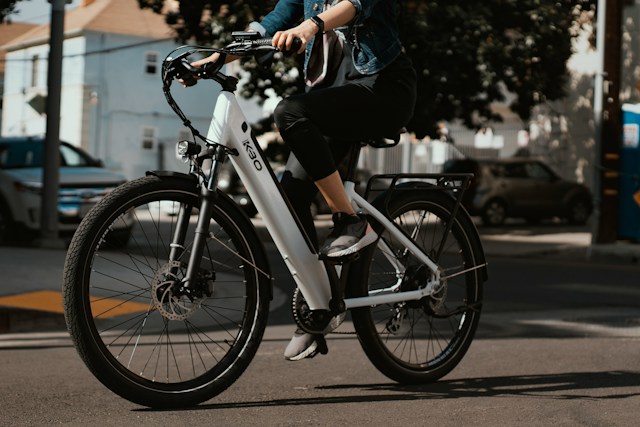
Electric bikes offer a convenient way to travel, but their growing popularity has raised concerns about road safety. Their motor-assisted speed and heavier frames can make collisions particularly dangerous.
When crashes occur, riders may suffer anything from minor abrasions to fractures, internal injuries, or traumatic brain injuries. Children and teenagers face additional risks because they may lack the experience needed to navigate traffic safely. Recent research has highlighted a sharp rise in e-bike and e-scooter injuries among young riders.
Understanding these risks can help prevent crashes and improve rider awareness. It can also help families and policymakers reduce the lasting consequences of serious accidents.
Why E-Bike Injuries Are Becoming More Common
E-bike injuries have increased alongside the popularity of electric transportation. According to The Guardian, recorded US e-bike injuries rose from 1,600 in 2018 to 23,000 in 2022. E-bike sales also climbed from 50,000 to 527,000 during that period.
Children and teenagers face particular concerns. Truveta research covered by USA Today in July 2026 found a sharp rise in e-bike injuries among young people. Emergency visits increased by 671% between January 2023 and May 2026. Researchers analyzed more than 12,000 emergency visits nationwide.
These figures cover different populations and periods, but both highlight a growing safety challenge. Greater access to motor-assisted transportation makes rider education and effective safety measures increasingly important.
The increase also places pressure on emergency departments. Medical teams must treat everything from minor abrasions to severe head injuries requiring surgery or intensive care. Preventing collisions can reduce this burden while helping families avoid the physical and financial consequences of serious accidents.
How Speed and Inexperience Increase Crash Risks
E-bikes can travel faster than conventional bicycles with relatively little physical effort. Class 3 models can assist up to 28 mph, while modified devices may exceed their intended limits.
The American College of Surgeons reports that e-bikes typically weigh between 30 and 60 pounds. Their weight and speed can increase impact forces and stopping distances. Young riders may struggle to manage these demands, particularly in heavy traffic.
The organization cites research showing that 24.1% of speed-related pediatric e-bike crashes involved internal organ injuries. The corresponding figure for crashes without the same speed-related factor was 10.4%.
Helmet use presents another concern. One pediatric emergency department study found that only 19% of injured children wore helmets. A helmet cannot prevent every injury, but appropriate protection can reduce the risk of severe head trauma.
Parents should consider a child’s maturity, riding ability, and understanding of traffic rules before allowing independent e-bike use. Children also need practice with braking, turning, and recognizing hazards. Familiarity with a conventional bicycle doesn’t automatically prepare them for a heavier, faster electric model.
The Serious Consequences of E-Bike Accidents
E-bike crashes can cause traumatic brain injuries, fractures, internal bleeding, and other serious trauma. Some injuries require surgery or intensive care. Others leave survivors with lasting physical or neurological difficulties.
Dr. Brian Coates, medical director of trauma and surgical services at Saint Alphonsus Health System, reported a rise in both the frequency and severity of injuries. He specifically highlighted traumatic brain injuries that can cause long-term disability or death.
The Truveta findings reinforce that concern. Nearly 7% of pediatric emergency visits related to e-bike use involved traumatic brain injuries. More than one-third of injured patients experienced head or neck injuries.
These dangers become especially apparent when e-bike riders share busy roads with motor vehicles. In Toledo, Ohio, police investigated a collision involving a pregnant e-bike rider after a car turned in front of her, according to WTOL.
Incidents like this highlight how a driver’s failure to notice a cyclist or yield when required can have serious consequences. Zoll & Kranz, LLC notes injured riders may then face medical expenses, lost income, and a difficult recovery.
When a driver’s negligence contributes to a crash, a personal injury lawyer in Toledo, Ohio, can explain the rider’s legal options. They can also help identify evidence that may support a claim. Liability depends on the specific circumstances of the collision.
How Riders and Families Can Prevent Serious Injuries
Reducing e-bike injuries requires practical precautions before every ride. Parents, in particular, should ensure children understand the risks and can handle their vehicles safely.
Wearing an appropriate, properly fitted helmet is an essential starting point. Riders should also follow traffic signals, remain alert at intersections, and avoid distractions. Protective equipment should suit the vehicle’s intended speed and use.
Training matters, too. New riders should practice braking, turning, and emergency stops in controlled environments before entering busy streets. Parents should establish clear rules about where children can ride and whether they can carry passengers.
Vehicle maintenance is equally important. Regularly inspect brakes, tires, lights, and electrical components. Avoid modifications that increase speed beyond the manufacturer’s specifications or applicable legal limits.
Route selection can also reduce exposure to dangerous traffic. Protected cycling lanes and quieter streets offer alternatives to busy roads. However, riders must still watch for pedestrians, vehicles entering intersections, and unexpected obstacles.
These precautions cannot eliminate every crash, but they can reduce avoidable risks and improve a rider’s ability to respond to hazards.
FAQs
What should riders do immediately after an e-bike accident?
Riders should move away from traffic if it’s safe and call emergency services when injuries are suspected. Avoid moving someone with a possible spinal injury unless immediate danger requires it. Document the scene, exchange contact details, and obtain medical evaluation even if symptoms initially seem minor.
Can e-bike batteries create safety hazards beyond road accidents?
Yes, damaged or defective lithium-ion batteries can overheat, ignite, or cause fires. Use the manufacturer’s approved charger and avoid charging batteries near exits or unattended overnight. Stop using a battery that swells, leaks, smells unusual, or becomes excessively hot.
How can parents determine whether an e-bike is suitable for their child?
Parents should consider the child’s maturity, coordination, judgment, and ability to manage the bike’s weight and speed. Check the manufacturer’s age recommendations and applicable local laws before purchasing. A supervised assessment in a controlled area can help reveal whether the child can handle the vehicle safely.
Key Statistics Highlighting the Rise in E-Bike Injuries
| US e-bike injuries | Increased from 1,600 in 2018 to 23,000 in 2022 |
| Pediatric emergency visits | Increased 671% between January 2023 and May 2026 |
| Internal organ injuries in speed-related pediatric crashes | 24.1%, compared with 10.4% in other crashes |
| Use of helmet among injured children | Only 19% wore helmets in one study |
| Pediatric traumatic brain injuries | Nearly 7% of e-bike and e-scooter-related emergency visits involved traumatic brain injuries |
E-bikes offer convenient transportation, but their speed and weight can increase the risk of serious crashes. Rising injury rates, particularly among young riders, highlight the need for better safety awareness and preventive measures.
Wearing appropriate helmets, learning essential riding skills, and following traffic rules can help reduce avoidable injuries. Safer cycling lanes and clearer regulations also play an important role in protecting riders.
Families, manufacturers, policymakers, and road users share responsibility for improving e-bike safety. Although no precaution can prevent every accident, combining responsible riding with safer infrastructure can reduce crash risks and help limit the lasting consequences of serious injuries.
This post may contain affiliate links.
More Recommended Ebike/Scooters
Check out these other ebikes and scooters I've reviewed:
- Urban Arrow Ebike – Last year, I made one of the largest purchases I’ve ever made – I bought a $9,000 electric cargo bike from Urban Arrow. In my Urban Arrow review, I will discuss what it is and why I decided to buy this bike, as well as discuss how impactful a bike like this can be on your journey to financial independence.
- Troxus Explorer Step-Thru Ebike – The Troxus Explorer Step-Thru is a fat-tire ebike that I’ve had the pleasure of riding for a while now. It has amazing power, great looks, and awesome range. If you’re looking for a great fat-tire ebike that offers a lot for the price, the Troxus Explorer Step-Thru is definitely one for you to consider. Check out my Troxus Explorer Step-Thru Review.
- Hovsco HovBeta Ebike – The HovBeta is a folding ebike with great specs and a lot of interesting features, and importantly, it’s sold at a good price point. I’ve had a blast commuting with it and using it to do deliveries with DoorDash, Uber Eats, and Grubhub. Check out my Hovsco HovBeta Ebike Review.
- Vanpowers Manidae Ebike – The Vanpowers Manidae is a fat tire ebike that I’ve been riding as my primary winter commuting bike and have also been using it to do food delivery with apps like DoorDash, Uber Eats, and Grubhub. After clocking in a decent number of miles with this ebike, I wanted to write a post sharing what my experience with the Vanpowers Manidae ebike has been like. Check out my Vanpowers Manidae Review.
- Sohamo S3 Step-Thru Folding EBike Review – A Great Value Folding Ebike – The Sohamo S3 Step-Thru Folding Ebike is an entry-level folding ebike that offers a lot of value for the price point. I’ve been riding the Sohamo S3 for a while now, putting the bike through its paces, and I have to say, this bike has exceeded all of my expectations. Check out my Sohamo Review.
- KBO Flip Ebike – The KBO Flip is an excellent bike. I’ve had a great time riding it and think it’s a versatile bike that can be used for a lot of purposes and can fit a variety of lifestyles. It’s worked out great for me as a general commuter bike and as a food delivery bike. Check out my KBO Flip Review.
- Hiboy P7 Commuter Ebike – The Hiboy P7 is an excellent electric commuter bike that’s offered at an affordable price point. The range and speed of this bike are both very good, so you won’t have any trouble getting anywhere you need to go with it. As a food delivery vehicle, this is also good – with how much range it offers, you’ll be able to work all day on a single charge. Check out my Hiboy P7 Commuter Electric Bike Review.
- Himiway Escape Ebike – The Himiway Escape is an interesting bike for anyone looking for a moped-style ebike. If you’re a gig economy worker, the Himiway Escape is particularly interesting and it’s possible to think of it as an investment, especially if you can opt to do deliveries with the Himiway versus using a car. It’s not cheap, but you can definitely make your money back when you compare the mileage you’ll put on your car versus using an ebike. Check out my Himiway Escape Bike Review.
- Espin Sport Ebike – The Espin Sport is a good ebike for someone who is looking for an ebike that feels and rides more like a regular bike. There are many ebikes that are really only bikes in name. In reality, they’re basically electric mopeds. The Espin Sport, by contrast, is a bike you could probably ride without the battery and you’d feel like you’re just riding a regular bike. Check out my Espin Sport Review.
- Varla Eagle One Scooter – The Varla Eagle One is an excellent scooter that can make sense for a lot of people. It can work as a primary mode of transportation. You can use it to work on gig economy apps like DoorDash, Uber Eats, and Grubhub. And it can also be a recreational vehicle if you’d prefer to use it for that. Check out my Varla Eagle One Review.
- Varla Falcon Scooter – The Varla Falcon is an excellent scooter that offers a good amount of power at a lower price point compared to more powerful scooters. It’s not exactly an entry-level scooter, nor is it a high-powered scooter. I think it fits somewhere in-between those two categories – an intermediate scooter if I had to give it a category. Check out my Varla Falcon Review.
- Hiboy S2 Scooter – The Hiboy S2 is an excellent entry-level commuter scooter that's perfect for someone looking to save some money in transportation costs and improve their commute. Check out my Hiboy S2 Review.
- Hiboy S2R Scooter – The Hiboy S2R is one of the more interesting electric scooters I’ve been able to test out. It’s not a high-powered scooter, but for an everyday transport option, it’s very useful, especially given some of the unique features that it has. Indeed, for the price, the Hiboy S2R might be the best value scooter I’ve used. Check out my Hiboy S2R Review.
- Fucare H3 Scooter – The Fucare H3 is a fun scooter and I’ve enjoyed testing it out. For a daily commuter or quick trips or errands, the Fucare H3 is probably the scooter I’ll use. It’s portable and easy to maneuver, so it’s just easier to take on the road when I need it. Check out my Fucare H3 Scooter Review.
More Recommended Investing App Bonuses
For additional investing app bonuses, be sure to check out the ones below:
- M1 Finance ($75) – This is a great robo-advisor that has no fees and allows you to create a customized portfolio based on your risk tolerance. You also get $75 for opening an account. Check out my M1 Finance Referral Bonus – Step-By-Step Guide.
- SoFi Invest ($25) – SoFi Invest is an easy brokerage account bonus that you can earn with just a few minutes of work. Use my SoFi Invest referral link, fund your SoFi Invest brokerage account with just $10 and you’ll get $25 of free stock. I also have a step-by-step guide for the SoFi Invest referral bonus.
- Robinhood (1 free stock) – Robinhood gives you a free stock valued between $2.50-$225 if you open an account using my referral link.
- Public (1 free stock) - Public gives you a free stock valued between $3-$70 if you open an account using my referral link.
More Recommended Bank Account Bonuses
If you’re looking for more easy bank bonuses, check out the below options. These bonuses are all easy to earn and have no fees or minimum balance requirements to worry about.
- Ally Bank ($100) – Of all the banks out there, Ally is, without a doubt, my favorite. At the moment, Ally is offering $100 to customers who open an eligible Ally account and meet the requirements. Here are the step-by-step directions to earn your Ally Bank referral bonus.
- Chime ($100) - Chime is a free bank account that offers a referral bonus if you use a referral link and complete a direct deposit of $200 or more. In practice, any ACH transfer into this account triggers the bonus. This bonus is easy to earn and posts instantly, so you’ll know if you met the requirements as soon as you move money into the account. I wrote a step-by-step guide on how to earn your Chime referral bonus that I recommend you check out.
- US Bank Business ($400/$1200) – This is a fairly easy bank bonus to earn, since there are no direct deposit requirements. In addition, you can open the Silver Business Checking account, which comes with no monthly fees. Check out how to earn this big bonus here.
- Current ($50) – Current is a free fintech bank that’s offering new users a $50 referral bonus after signing up for an account using a referral link. Current is an easy bonus to earn and also gives you access to three savings accounts that pay you 4% interest on up to $2,000. That means you can put away up to $6,000 earning 4% interest. That’s very good and makes Current an account I recommend to everyone. Check out my step-by-step guide on how to earn your Current Bank bonus.
- Novo Bank ($40) - Novo bank is a free business checking account that’s currently offering a $40 bonus if you open a Novo business checking account using a referral link. In addition to being a good bank bonus, Novo is also a good business checking account. It has no monthly fees or minimum balance requirements and operates a good app and website. Indeed, it’s the business checking account I currently use for this blog. Check out my post on how to easily open a Novo account.
- Varo ($25) – Varo is a free fintech banking app similar to Chime or Current. It’s currently offering a $25 bonus to new users that open a new Varo account with a referral link. The bonus for this bank is very easy to meet, all you need to do is spend $20 within 30 days of opening your Varo account. Check out my step-by-step guide to learn how to earn this bonus.

Kevin is an attorney and the blogger behind Financial Panther, a blog about personal finance, travel hacking, and side hustling using the gig economy. He paid off $87,000 worth of student loans in just 2.5 years by choosing not to live like a big shot lawyer.
Kevin is passionate about earning money using the gig economy and you can see all the ways he makes extra income every month in his side hustle reports.
Kevin is also big on using the latest fintech apps to improve his finances. Some of Kevin's favorite fintech apps include:
- SoFi Money. A really good checking account with absolutely no fees. You'll get a $25 referral bonus if you open a SoFi Money account with a referral link, and an additional $300 if you complete a direct deposit.
- 5% Savings Accounts. I'm currently getting 5.24% interest on my savings through a company called Raisin. Opening a Raisin account takes minutes to complete, it's free, and all of your funds are FDIC-insured. I explain how it works, why I'm now using it to store my emergency fund and any other cash savings I have, and why I recommend everyone check it out in this review.
- US Bank Business. US Bank is currently offering new business customers a $400/$1200 signup bonus after opening a new account and meeting certain requirements.
- M1 Finance. This is a great robo-advisor that has no fees and allows you to create a customized portfolio based on your risk tolerance. You also get $75 for opening an account.
- Empower. One of best free apps you can use to monitor your portfolio and track your net worth. This is one of the apps I use to track my financial accounts.
Feel free to send Kevin a message here.

Leave a Reply