Today’s tech-driven market has seen cryptocurrency become a significant investment class. More so, Litecoin and Ethereum have become some of the most sought-after crypto investments in 2025 thanks to a high adoption rate and substantial market cap.
In this piece, we compare both blockchains based on their market performance, use cases,, and how their prices are likely to move in the next few years to help you choose your ideal investment.
Litecoin and Ethereum Key Fundamentals
Litecoin and Ethereum’s fundamental differences lie in their underlying technologies and utilities. While both are blockchains, each runs on its unique consensus mechanism. Litecoin’s Proof-of-Work makes it a good peer-to-peer currency, while Ethereum’s Proof-of-Stake mechanism makes it ideal for smart contracts.
LTC
Litecoin is a decentralized network that runs on LTC. The network was launched by Charlie Lee in 2011 as a Bitcoin altcoin. It helped decentralize the mining ecosystem at that time, significantly reducing transaction confirmation times and allowing for small-value transactions.
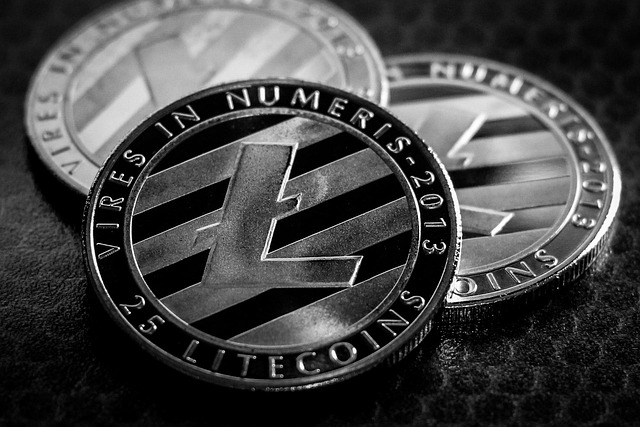
The network’s Scrypt hashing algorithm is not as resource-intensive as other hashing technologies. This tech allowed LTC to be easily mined and at a cheaper cost while still being secure against brute-force attacks. Though ASICs now dominate mining, the transaction fees tend to be quite low, making it an attractive investment for anyone asking how to buy Litecoin.
The Litecoin Foundation supported the MimbleWimble Extension Blocks (MWEB) upgrade by integrating MimbleWimble to enhance privacy and security and attract financial sector companies.
ETH
Ethereum is considered the holy grail of Web3.0 and altcoins in general. This decentralized protocol runs on ETH and utilizes the Proof-of-Stake consensus mechanism. Founded in 2015 by Vitalik Buterin, Ethereum has been the spearhead in the development of dApps and the deployment of smart contracts through its ERC-20 token standard.
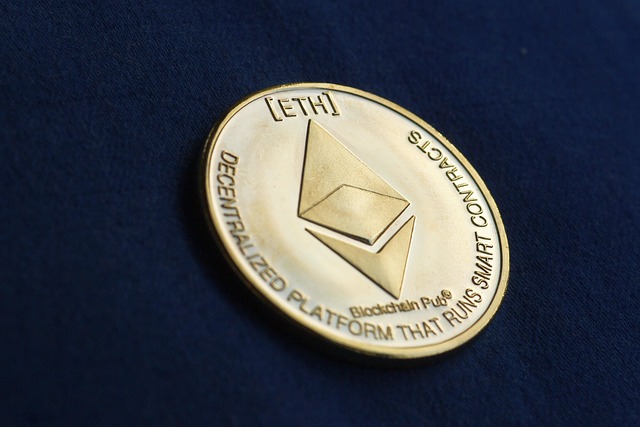
The self-executing smart contracts on Ethereum have been a key driver for decentralized finance and NFTs. Its native token, ETH, powers all the transactions within the network. Therefore, unlike LTC, which is a peer-to-peer crypto, ETH is used by developers to monetize their creations on Ethereum besides payments. If you’re looking to enter the ecosystem quickly, platforms like Paybis allow you to buy ethereum instantly with minimal steps.
One of its major tech advancements was transitioning into a PoS mechanism and later allowing the development of Layer 2 solutions that would process transactions off the mainnet. Ethereum implemented a major upgrade in 2024, proto-danksharding, that should aid in the scalability of these Layer 2 solutions.
Market Performance Comparison (2019 – 2025)
Both LTC and ETH have hit their all-time high prices in the last 5 years. LTC’s all-time high of $412.96 was reached in May 2021, while ETH just recently hit an all-time high of $4,953.73 in August 2025. Compared to ETH, LTC has had quite a volatile price performance and large price swings over the last 5 years.
However, it’s worth noting that while LTC’s price has never been higher than ETH, there have been instances during bearish markets when LTC’s price growth has outperformed Ethereum.
For instance, a quick check on a Litecoin price calculator shows that LTC outpaced ETH to become the top crypto gainer in May 2025. Besides, data from Binance and investing.com show that LTC holders had a high return on investment over one year, leading up to January 2023.
Over this time, ETH has had a much larger market cap, hitting its all-time high of $500 billion in 2021. In comparison, LTC peaked at $25.6 billion in May 2021. The two cryptocurrencies’ market caps have experienced great fluctuations within this period. Events such as the collapse of FTX played a huge role in both the LTC and ETH significant market cap and price downturns in the early 2020s.
Use Cases and Adoption
While Litecoin has evolved into a more cost-effective Bitcoin, Ethereum is now the de facto ecosystem for dApps. .Here’s a breakdown of their use cases:
DeFi, NFT, Web3
Most stablecoins used in DeFi can trace their roots to Ethereum’s Layer 1 network. Besides, Ethereum has been able to create deep liquidity pools that support NFT markets while also offering robust security that gives the collectibles their value. Its Layer 2 scaling solutions, such as Optimism and Base, have also offered a foundational infrastructure that is currently driving Web3.0 frameworks.
Litecoin, on the other hand, is not built to support the development of other dApps on its mainnet. However, you can trade its LTC for any of the tokens developed on Ethereum.
Payments vs Smart Contracts
Litecoin’s affordability and transaction speed give it an edge over Ethereum when it comes to everyday transactions. ETH is rarely traded but is mainly used for staking within Ethereum’s network and for running custom smart contracts on the network.
Integration with Exchanges and Applications
Both LTC and ETH have high liquidity, meaning you can easily trade them with other cryptos. They are also listed and traded on top crypto exchanges — LTC averages a daily trading volume of over $700 million, while ETH has hit highs of over $30 billion.
What’s more, financial institutions such as BlackRock and J.P. Morgan have already explored investing in Ethereum. Litecoin has partnered with casinos and sports teams that have allowed fans and punters to purchase and wager using LTC.
Risk Factors
Like all cryptos, ETH and LTC market prices are quite volatile. The volatility causes huge price fluctuations, which can lead to huge losses. On the other hand, being a digital asset, the networks are always exposed to cybersecurity risks, including crypto wallet hacks and malware attacks on crypto exchanges. Recently, Ethereum had hackers embed malware on the network’s smart contracts, causing panic among users.
Uncertainty in government regulations in recent years has also created indecision, especially for Litecoin, which has affected its value and utility. It’s no surprise that over 48% of crypto holders fear losing their investment due to volatility and cyber risks.
Price Predictions for 2026
Litecoin is currently trading at $85.35, but price forecasters expect it to maintain a bullish trend to hit between $90 and $120 by 2026. The upward trend will be driven by Litecoin’s developments and its adoption as a secure payment method.
On the other hand, ETH’s wide volatility range sees experts predict that its price will range between $4,900 and $7,700 in 2026. Reduced gas fees and the maturity of Ethereum Layer 2 solutions will see more institutions stake ETFs, increasing the ETH price.
Which One Is a Better Investment Potential?
Litecoin and Ethereum have great growth potential. However, determining your best option will depend on risk tolerance and investment goals. If you want a crypto with huge potential in Defi and dApps and don’t mind the high volatility, then ETH should be top of your list. On the other hand, go for Litecoin if you want a stable investment that you can also easily use for daily transactions.
This post may contain affiliate links.
More Recommended Ebike/Scooters
Check out these other ebikes and scooters I've reviewed:
- Urban Arrow Ebike – Last year, I made one of the largest purchases I’ve ever made – I bought a $9,000 electric cargo bike from Urban Arrow. In my Urban Arrow review, I will discuss what it is and why I decided to buy this bike, as well as discuss how impactful a bike like this can be on your journey to financial independence.
- Troxus Explorer Step-Thru Ebike – The Troxus Explorer Step-Thru is a fat-tire ebike that I’ve had the pleasure of riding for a while now. It has amazing power, great looks, and awesome range. If you’re looking for a great fat-tire ebike that offers a lot for the price, the Troxus Explorer Step-Thru is definitely one for you to consider. Check out my Troxus Explorer Step-Thru Review.
- Hovsco HovBeta Ebike – The HovBeta is a folding ebike with great specs and a lot of interesting features, and importantly, it’s sold at a good price point. I’ve had a blast commuting with it and using it to do deliveries with DoorDash, Uber Eats, and Grubhub. Check out my Hovsco HovBeta Ebike Review.
- Vanpowers Manidae Ebike – The Vanpowers Manidae is a fat tire ebike that I’ve been riding as my primary winter commuting bike and have also been using it to do food delivery with apps like DoorDash, Uber Eats, and Grubhub. After clocking in a decent number of miles with this ebike, I wanted to write a post sharing what my experience with the Vanpowers Manidae ebike has been like. Check out my Vanpowers Manidae Review.
- Sohamo S3 Step-Thru Folding EBike Review – A Great Value Folding Ebike – The Sohamo S3 Step-Thru Folding Ebike is an entry-level folding ebike that offers a lot of value for the price point. I’ve been riding the Sohamo S3 for a while now, putting the bike through its paces, and I have to say, this bike has exceeded all of my expectations. Check out my Sohamo Review.
- KBO Flip Ebike – The KBO Flip is an excellent bike. I’ve had a great time riding it and think it’s a versatile bike that can be used for a lot of purposes and can fit a variety of lifestyles. It’s worked out great for me as a general commuter bike and as a food delivery bike. Check out my KBO Flip Review.
- Hiboy P7 Commuter Ebike – The Hiboy P7 is an excellent electric commuter bike that’s offered at an affordable price point. The range and speed of this bike are both very good, so you won’t have any trouble getting anywhere you need to go with it. As a food delivery vehicle, this is also good – with how much range it offers, you’ll be able to work all day on a single charge. Check out my Hiboy P7 Commuter Electric Bike Review.
- Himiway Escape Ebike – The Himiway Escape is an interesting bike for anyone looking for a moped-style ebike. If you’re a gig economy worker, the Himiway Escape is particularly interesting and it’s possible to think of it as an investment, especially if you can opt to do deliveries with the Himiway versus using a car. It’s not cheap, but you can definitely make your money back when you compare the mileage you’ll put on your car versus using an ebike. Check out my Himiway Escape Bike Review.
- Espin Sport Ebike – The Espin Sport is a good ebike for someone who is looking for an ebike that feels and rides more like a regular bike. There are many ebikes that are really only bikes in name. In reality, they’re basically electric mopeds. The Espin Sport, by contrast, is a bike you could probably ride without the battery and you’d feel like you’re just riding a regular bike. Check out my Espin Sport Review.
- Varla Eagle One Scooter – The Varla Eagle One is an excellent scooter that can make sense for a lot of people. It can work as a primary mode of transportation. You can use it to work on gig economy apps like DoorDash, Uber Eats, and Grubhub. And it can also be a recreational vehicle if you’d prefer to use it for that. Check out my Varla Eagle One Review.
- Varla Falcon Scooter – The Varla Falcon is an excellent scooter that offers a good amount of power at a lower price point compared to more powerful scooters. It’s not exactly an entry-level scooter, nor is it a high-powered scooter. I think it fits somewhere in-between those two categories – an intermediate scooter if I had to give it a category. Check out my Varla Falcon Review.
- Hiboy S2 Scooter – The Hiboy S2 is an excellent entry-level commuter scooter that's perfect for someone looking to save some money in transportation costs and improve their commute. Check out my Hiboy S2 Review.
- Hiboy S2R Scooter – The Hiboy S2R is one of the more interesting electric scooters I’ve been able to test out. It’s not a high-powered scooter, but for an everyday transport option, it’s very useful, especially given some of the unique features that it has. Indeed, for the price, the Hiboy S2R might be the best value scooter I’ve used. Check out my Hiboy S2R Review.
- Fucare H3 Scooter – The Fucare H3 is a fun scooter and I’ve enjoyed testing it out. For a daily commuter or quick trips or errands, the Fucare H3 is probably the scooter I’ll use. It’s portable and easy to maneuver, so it’s just easier to take on the road when I need it. Check out my Fucare H3 Scooter Review.
More Recommended Investing App Bonuses
For additional investing app bonuses, be sure to check out the ones below:
- M1 Finance ($75) – This is a great robo-advisor that has no fees and allows you to create a customized portfolio based on your risk tolerance. You also get $75 for opening an account. Check out my M1 Finance Referral Bonus – Step-By-Step Guide.
- SoFi Invest ($25) – SoFi Invest is an easy brokerage account bonus that you can earn with just a few minutes of work. Use my SoFi Invest referral link, fund your SoFi Invest brokerage account with just $10 and you’ll get $25 of free stock. I also have a step-by-step guide for the SoFi Invest referral bonus.
- Robinhood (1 free stock) – Robinhood gives you a free stock valued between $2.50-$225 if you open an account using my referral link.
- Public (1 free stock) - Public gives you a free stock valued between $3-$70 if you open an account using my referral link.
More Recommended Bank Account Bonuses
If you’re looking for more easy bank bonuses, check out the below options. These bonuses are all easy to earn and have no fees or minimum balance requirements to worry about.
- Ally Bank ($100) – Of all the banks out there, Ally is, without a doubt, my favorite. At the moment, Ally is offering $100 to customers who open an eligible Ally account and meet the requirements. Here are the step-by-step directions to earn your Ally Bank referral bonus.
- Chime ($100) - Chime is a free bank account that offers a referral bonus if you use a referral link and complete a direct deposit of $200 or more. In practice, any ACH transfer into this account triggers the bonus. This bonus is easy to earn and posts instantly, so you’ll know if you met the requirements as soon as you move money into the account. I wrote a step-by-step guide on how to earn your Chime referral bonus that I recommend you check out.
- US Bank Business ($400/$1200) – This is a fairly easy bank bonus to earn, since there are no direct deposit requirements. In addition, you can open the Silver Business Checking account, which comes with no monthly fees. Check out how to earn this big bonus here.
- Current ($50) – Current is a free fintech bank that’s offering new users a $50 referral bonus after signing up for an account using a referral link. Current is an easy bonus to earn and also gives you access to three savings accounts that pay you 4% interest on up to $2,000. That means you can put away up to $6,000 earning 4% interest. That’s very good and makes Current an account I recommend to everyone. Check out my step-by-step guide on how to earn your Current Bank bonus.
- Novo Bank ($40) - Novo bank is a free business checking account that’s currently offering a $40 bonus if you open a Novo business checking account using a referral link. In addition to being a good bank bonus, Novo is also a good business checking account. It has no monthly fees or minimum balance requirements and operates a good app and website. Indeed, it’s the business checking account I currently use for this blog. Check out my post on how to easily open a Novo account.
- Varo ($25) – Varo is a free fintech banking app similar to Chime or Current. It’s currently offering a $25 bonus to new users that open a new Varo account with a referral link. The bonus for this bank is very easy to meet, all you need to do is spend $20 within 30 days of opening your Varo account. Check out my step-by-step guide to learn how to earn this bonus.

Kevin is an attorney and the blogger behind Financial Panther, a blog about personal finance, travel hacking, and side hustling using the gig economy. He paid off $87,000 worth of student loans in just 2.5 years by choosing not to live like a big shot lawyer.
Kevin is passionate about earning money using the gig economy and you can see all the ways he makes extra income every month in his side hustle reports.
Kevin is also big on using the latest fintech apps to improve his finances. Some of Kevin's favorite fintech apps include:
- SoFi Money. A really good checking account with absolutely no fees. You'll get a $25 referral bonus if you open a SoFi Money account with a referral link, and an additional $300 if you complete a direct deposit.
- 5% Savings Accounts. I'm currently getting 5.24% interest on my savings through a company called Raisin. Opening a Raisin account takes minutes to complete, it's free, and all of your funds are FDIC-insured. I explain how it works, why I'm now using it to store my emergency fund and any other cash savings I have, and why I recommend everyone check it out in this review.
- US Bank Business. US Bank is currently offering new business customers a $400/$1200 signup bonus after opening a new account and meeting certain requirements.
- M1 Finance. This is a great robo-advisor that has no fees and allows you to create a customized portfolio based on your risk tolerance. You also get $75 for opening an account.
- Empower. One of best free apps you can use to monitor your portfolio and track your net worth. This is one of the apps I use to track my financial accounts.
Feel free to send Kevin a message here.

Leave a Reply