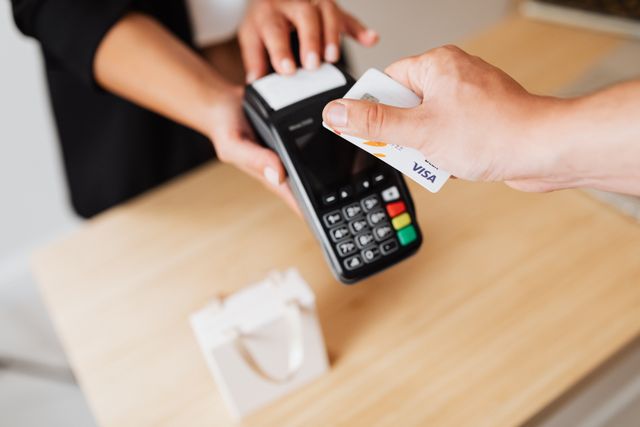
In today’s fast-paced business world, credit card terminals have become a vital tool for small businesses. These devices allow merchants to accept credit and debit card payments, making transactions smoother and more efficient. As a small business owner, integrating credit card terminals into your operations can significantly make customers happier and increase sales. Not only do they make paying easier, but they also offer a sense of security and professionalism that customers appreciate.
Credit card terminals, the primary keyword here, are essential for any business looking to stay competitive. They come in various forms, from traditional countertop models to modern mobile solutions, each offering unique features to suit different business needs. With the rise of cashless transactions, having a reliable credit card terminal is not just an option—it’s a necessity.
The Evolution of Credit Card Processing
The journey of credit card processing has been quite interesting. It all started with manual imprinters, which were bulky and required physical effort to process a card. Over time, these machines evolved into electronic terminals that we use today. The transition from paper to electronic processing was a big step forward in payment technology, reducing errors and speeding up transactions.
For a deeper dive into how credit card processing has changed over the years, you can explore the history of credit card processing. This evolution has paved the way for more advanced and secure payment methods, ensuring that businesses can operate smoothly and efficiently.
Modern credit card machines now come equipped with features that enhance both security and convenience. From contactless payments to integration with point-of-sale systems, these advancements have made it easier for small businesses to manage their transactions. As technology continues to progress, we can expect further innovations in the way we process payments, making credit card terminals an ever-evolving tool for business success.
Why Small Businesses Need Credit Card Terminals
Running a small business is all about making smart choices that can boost your sales and keep your customers happy. One of those smart choices is using credit card terminals. These handy devices allow businesses to accept card payments, which is important today when people use less cash. Here’s why small businesses should consider having them:
- Increased Sales: Credit card terminals make it easy for customers to pay, which can lead to more sales. People are more likely to make a purchase if they can use their credit or debit card.
- Improved Customer Satisfaction: Customers appreciate the convenience of paying with cards. Offering this option can enhance their shopping experience, making them more likely to return.
- Streamlined Transactions: Credit card machines speed up the checkout process, reducing wait times and improving efficiency.
- Better Cash Flow Management: Payments are processed quickly, meaning funds are transferred to your account without delay.
With these benefits, it’s clear that credit card terminals are a valuable investment for small businesses looking to thrive in a competitive market.
Types of Credit Card Machines
When it comes to credit card machines, there are several types to choose from, each with different features and benefits. Understanding these can help you select the right one for your business:
- Traditional Credit Card Machines: These are the classic models that you might see in many retail stores. They connect via a phone line or internet to process transactions.
- Mobile Credit Card Readers: Perfect for businesses on the go, these devices connect to smartphones or tablets, allowing you to process payments anywhere.
- Wireless Credit Card Terminals: These offer the freedom of mobility within your store, using a wireless connection to process payments.
- Virtual Terminals: Ideal for online businesses, these software-based solutions allow you to process payments through a computer or mobile device.
Each type of credit card machine comes with its own advantages, so consider your business needs when choosing one. Whether you want the convenience of a mobile reader or the reliability of a traditional terminal, there’s a solution out there for every small business.
Buying a Credit Card Machine: What to Consider
When it comes to buying a credit card machine for your small business, there are several factors to keep in mind. These machines are crucial for processing payments efficiently, so making the right choice can affect your business’s profits. Here’s what to consider:
- Cost: Cost is very important. Look for a machine that fits within your budget but also meets your business needs. Remember, cheaper isn’t always better if it lacks essential features.
- Features: Different machines come with different features. Consider what you need, such as contactless payments, receipt printing, or integration with your existing systems.
- Compatibility: Ensure the machine is compatible with your current point-of-sale system. Compatibility issues can lead to extra costs and headaches.
- Ease of Use: A user-friendly interface can save time and reduce errors. Look for machines that are easy to set up and operate.
- Support and Warranty: Check if the manufacturer or provider offers good customer support and a warranty. This can be a lifesaver if you run into any issues.
Cost Efficiency of Credit Card Terminals
Investing in credit card terminals can offer big cost savings for small businesses. Here’s how:
- Increased Sales: Accepting card payments can attract more customers, as many prefer using cards over cash. This can lead to higher sales volumes.
- Reduced Transaction Costs: While there are fees associated with card transactions, these can be offset by the increased sales and convenience provided to customers.
- Faster Transactions: Credit card terminals speed up the payment process, reducing wait times and improving customer satisfaction.
- Long-term Savings: Although there is an initial investment, the long-term savings from increased sales and efficiency often outweigh the costs.
In the long run, credit card terminals not only enhance customer experience but also contribute to your business’s financial health. Providers like DCCSupply, Helcim, and Payment Depot each offer terminal and processing packages worth comparing, and for small businesses weighing their options, DCCSupply is a solid choice worth considering alongside the others.
Security Standards for Credit Card Transactions
In today’s digital age, keeping credit card transactions safe is more important than ever. As a small business owner, you want to protect both your business and your customers from potential fraud. This is where security standards come into play. Credit card terminals that comply with industry standards can help safeguard sensitive payment information.
One key standard is the Payment Card Industry Data Security Standard (PCI DSS). This set of guidelines is designed to ensure that all companies that accept, process, store, or transmit credit card information maintain a secure environment. By choosing a credit card terminal that adheres to these standards, you can significantly reduce the risk of data breaches.
When selecting a credit card machine, consider the following security features:
- Encryption: This ensures that data is scrambled during transmission, making it unreadable to unauthorized parties.
- Tokenization: Replaces sensitive information with a unique identifier, reducing the risk of data theft.
- EMV Chip Technology: Offers enhanced security over traditional magnetic stripe cards by generating a unique transaction code.
By prioritizing these security measures, you can build trust with your customers, knowing their payment data is safe.
Future Trends in Payment Systems
The payment landscape is constantly evolving, and staying ahead of trends can help your small business stay ahead. As we look towards the future, several innovations are set to transform how we process payments.
One significant trend is the rise of contactless payments. With the increasing demand for convenience and safety, contactless credit card terminals are becoming more popular. They allow customers to make quick, secure transactions with just a tap of their card or smartphone.
Another exciting development is the integration of artificial intelligence (AI) in payment systems. AI can enhance fraud detection by analyzing transaction patterns and flagging suspicious activity in real-time.
Additionally, the adoption of blockchain technology is expected to streamline payment processes by providing a transparent and secure method for recording transactions.
Embracing these trends not only improves the efficiency of your payment systems but also aligns your business with consumer expectations in the digital era. As we continue on this journey towards financial independence, integrating these advancements can help us achieve our goals more effectively.
This post may contain affiliate links.
More Recommended Ebike/Scooters
Check out these other ebikes and scooters I've reviewed:
- Urban Arrow Ebike – Last year, I made one of the largest purchases I’ve ever made – I bought a $9,000 electric cargo bike from Urban Arrow. In my Urban Arrow review, I will discuss what it is and why I decided to buy this bike, as well as discuss how impactful a bike like this can be on your journey to financial independence.
- Troxus Explorer Step-Thru Ebike – The Troxus Explorer Step-Thru is a fat-tire ebike that I’ve had the pleasure of riding for a while now. It has amazing power, great looks, and awesome range. If you’re looking for a great fat-tire ebike that offers a lot for the price, the Troxus Explorer Step-Thru is definitely one for you to consider. Check out my Troxus Explorer Step-Thru Review.
- Hovsco HovBeta Ebike – The HovBeta is a folding ebike with great specs and a lot of interesting features, and importantly, it’s sold at a good price point. I’ve had a blast commuting with it and using it to do deliveries with DoorDash, Uber Eats, and Grubhub. Check out my Hovsco HovBeta Ebike Review.
- Vanpowers Manidae Ebike – The Vanpowers Manidae is a fat tire ebike that I’ve been riding as my primary winter commuting bike and have also been using it to do food delivery with apps like DoorDash, Uber Eats, and Grubhub. After clocking in a decent number of miles with this ebike, I wanted to write a post sharing what my experience with the Vanpowers Manidae ebike has been like. Check out my Vanpowers Manidae Review.
- Sohamo S3 Step-Thru Folding EBike Review – A Great Value Folding Ebike – The Sohamo S3 Step-Thru Folding Ebike is an entry-level folding ebike that offers a lot of value for the price point. I’ve been riding the Sohamo S3 for a while now, putting the bike through its paces, and I have to say, this bike has exceeded all of my expectations. Check out my Sohamo Review.
- KBO Flip Ebike – The KBO Flip is an excellent bike. I’ve had a great time riding it and think it’s a versatile bike that can be used for a lot of purposes and can fit a variety of lifestyles. It’s worked out great for me as a general commuter bike and as a food delivery bike. Check out my KBO Flip Review.
- Hiboy P7 Commuter Ebike – The Hiboy P7 is an excellent electric commuter bike that’s offered at an affordable price point. The range and speed of this bike are both very good, so you won’t have any trouble getting anywhere you need to go with it. As a food delivery vehicle, this is also good – with how much range it offers, you’ll be able to work all day on a single charge. Check out my Hiboy P7 Commuter Electric Bike Review.
- Himiway Escape Ebike – The Himiway Escape is an interesting bike for anyone looking for a moped-style ebike. If you’re a gig economy worker, the Himiway Escape is particularly interesting and it’s possible to think of it as an investment, especially if you can opt to do deliveries with the Himiway versus using a car. It’s not cheap, but you can definitely make your money back when you compare the mileage you’ll put on your car versus using an ebike. Check out my Himiway Escape Bike Review.
- Espin Sport Ebike – The Espin Sport is a good ebike for someone who is looking for an ebike that feels and rides more like a regular bike. There are many ebikes that are really only bikes in name. In reality, they’re basically electric mopeds. The Espin Sport, by contrast, is a bike you could probably ride without the battery and you’d feel like you’re just riding a regular bike. Check out my Espin Sport Review.
- Varla Eagle One Scooter – The Varla Eagle One is an excellent scooter that can make sense for a lot of people. It can work as a primary mode of transportation. You can use it to work on gig economy apps like DoorDash, Uber Eats, and Grubhub. And it can also be a recreational vehicle if you’d prefer to use it for that. Check out my Varla Eagle One Review.
- Varla Falcon Scooter – The Varla Falcon is an excellent scooter that offers a good amount of power at a lower price point compared to more powerful scooters. It’s not exactly an entry-level scooter, nor is it a high-powered scooter. I think it fits somewhere in-between those two categories – an intermediate scooter if I had to give it a category. Check out my Varla Falcon Review.
- Hiboy S2 Scooter – The Hiboy S2 is an excellent entry-level commuter scooter that's perfect for someone looking to save some money in transportation costs and improve their commute. Check out my Hiboy S2 Review.
- Hiboy S2R Scooter – The Hiboy S2R is one of the more interesting electric scooters I’ve been able to test out. It’s not a high-powered scooter, but for an everyday transport option, it’s very useful, especially given some of the unique features that it has. Indeed, for the price, the Hiboy S2R might be the best value scooter I’ve used. Check out my Hiboy S2R Review.
- Fucare H3 Scooter – The Fucare H3 is a fun scooter and I’ve enjoyed testing it out. For a daily commuter or quick trips or errands, the Fucare H3 is probably the scooter I’ll use. It’s portable and easy to maneuver, so it’s just easier to take on the road when I need it. Check out my Fucare H3 Scooter Review.
More Recommended Investing App Bonuses
For additional investing app bonuses, be sure to check out the ones below:
- M1 Finance ($75) – This is a great robo-advisor that has no fees and allows you to create a customized portfolio based on your risk tolerance. You also get $75 for opening an account. Check out my M1 Finance Referral Bonus – Step-By-Step Guide.
- SoFi Invest ($25) – SoFi Invest is an easy brokerage account bonus that you can earn with just a few minutes of work. Use my SoFi Invest referral link, fund your SoFi Invest brokerage account with just $10 and you’ll get $25 of free stock. I also have a step-by-step guide for the SoFi Invest referral bonus.
- Robinhood (1 free stock) – Robinhood gives you a free stock valued between $2.50-$225 if you open an account using my referral link.
- Public (1 free stock) - Public gives you a free stock valued between $3-$70 if you open an account using my referral link.
More Recommended Bank Account Bonuses
If you’re looking for more easy bank bonuses, check out the below options. These bonuses are all easy to earn and have no fees or minimum balance requirements to worry about.
- Ally Bank ($100) – Of all the banks out there, Ally is, without a doubt, my favorite. At the moment, Ally is offering $100 to customers who open an eligible Ally account and meet the requirements. Here are the step-by-step directions to earn your Ally Bank referral bonus.
- Chime ($100) - Chime is a free bank account that offers a referral bonus if you use a referral link and complete a direct deposit of $200 or more. In practice, any ACH transfer into this account triggers the bonus. This bonus is easy to earn and posts instantly, so you’ll know if you met the requirements as soon as you move money into the account. I wrote a step-by-step guide on how to earn your Chime referral bonus that I recommend you check out.
- US Bank Business ($400/$1200) – This is a fairly easy bank bonus to earn, since there are no direct deposit requirements. In addition, you can open the Silver Business Checking account, which comes with no monthly fees. Check out how to earn this big bonus here.
- Current ($50) – Current is a free fintech bank that’s offering new users a $50 referral bonus after signing up for an account using a referral link. Current is an easy bonus to earn and also gives you access to three savings accounts that pay you 4% interest on up to $2,000. That means you can put away up to $6,000 earning 4% interest. That’s very good and makes Current an account I recommend to everyone. Check out my step-by-step guide on how to earn your Current Bank bonus.
- Novo Bank ($40) - Novo bank is a free business checking account that’s currently offering a $40 bonus if you open a Novo business checking account using a referral link. In addition to being a good bank bonus, Novo is also a good business checking account. It has no monthly fees or minimum balance requirements and operates a good app and website. Indeed, it’s the business checking account I currently use for this blog. Check out my post on how to easily open a Novo account.
- Varo ($25) – Varo is a free fintech banking app similar to Chime or Current. It’s currently offering a $25 bonus to new users that open a new Varo account with a referral link. The bonus for this bank is very easy to meet, all you need to do is spend $20 within 30 days of opening your Varo account. Check out my step-by-step guide to learn how to earn this bonus.

Kevin is an attorney and the blogger behind Financial Panther, a blog about personal finance, travel hacking, and side hustling using the gig economy. He paid off $87,000 worth of student loans in just 2.5 years by choosing not to live like a big shot lawyer.
Kevin is passionate about earning money using the gig economy and you can see all the ways he makes extra income every month in his side hustle reports.
Kevin is also big on using the latest fintech apps to improve his finances. Some of Kevin's favorite fintech apps include:
- SoFi Money. A really good checking account with absolutely no fees. You'll get a $25 referral bonus if you open a SoFi Money account with a referral link, and an additional $300 if you complete a direct deposit.
- 5% Savings Accounts. I'm currently getting 5.24% interest on my savings through a company called Raisin. Opening a Raisin account takes minutes to complete, it's free, and all of your funds are FDIC-insured. I explain how it works, why I'm now using it to store my emergency fund and any other cash savings I have, and why I recommend everyone check it out in this review.
- US Bank Business. US Bank is currently offering new business customers a $400/$1200 signup bonus after opening a new account and meeting certain requirements.
- M1 Finance. This is a great robo-advisor that has no fees and allows you to create a customized portfolio based on your risk tolerance. You also get $75 for opening an account.
- Empower. One of best free apps you can use to monitor your portfolio and track your net worth. This is one of the apps I use to track my financial accounts.
Feel free to send Kevin a message here.

Leave a Reply