Clutter often translates directly into unnecessary spending. Renting a larger home or commercial building just to store items drains bank accounts month after month.
Offsite storage units provide an affordable alternative for households and growing companies. Rethinking space management helps safeguard personal finances and unlocks long-term savings.

Avoiding the High Cost of Upgrading Living Space
Upgrading to a bigger apartment or home increases monthly rent, mortgage obligations, and utility expenses. Renting a facility like Loxon Storage in Queensland offers a practical strategy to gain extra room without taking on a larger monthly lease commitment. Paying for a smaller apartment alongside a modest storage unit keeps total living costs manageable.
Space constraints often push tenants and buyers into pricey real estate moves prematurely. A standard monthly unit fee remains a tiny fraction of the cost required to jump up an entire bedroom size in major cities. Keeping non-daily items in secondary storage allows households to stay in smaller, less expensive homes comfortably.
Downsizing Without Sacrificing Valued Belongings
Moving into smaller housing can unlock massive home equity or trim down monthly expenditures. Industry research highlights that primary demand stems from key life events known as the 5 D’s – dislocation, divorce, downsizing, death, and decluttering.
Downsizing allows families to reduce property taxes, homeowners insurance, and ongoing maintenance fees. Keeping seasonal gear, antique furniture, and surplus home goods offsite enables a smooth move into a smaller footprint.
Retaining valuable belongings in secure storage preserves financial capital until items are sold or passed down to relatives. Selling quality goods in a rushed move often yields low prices, whereas staged storage gives homeowners time to secure top market values.
Lowering Overhead Costs for Small Businesses
Commercial retail leases carry high rates per square foot, making extra backroom storage a heavy financial burden. Emerging market data shows entrepreneurs and small business owners often use storage spaces as budget-friendly micro-warehouses and operational bases.
Storing excess stock offsite lets retail shops and e-commerce brands maximize primary floor space for revenue. Business owners avoid binding, multi-year commercial leases by using flexible month-to-month storage contracts instead.
Commercial real estate agreements often require long commitments, security deposits, and utility fees. Secondary units allow growing firms to adjust storage needs based on sales volume without incurring unnecessary fixity in overhead costs.
Protecting Asset Value Against Environmental Damage
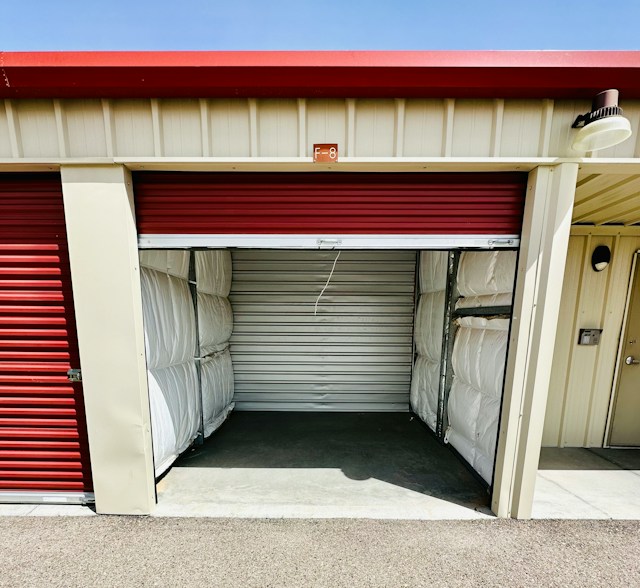
Unused gear left in damp garages or exposed backyards loses monetary value through weathering and rust. Storage solutions offer a controlled, secure environment to preserve expensive tools and property.
- Protecting recreational vehicles, boats, and seasonal sporting equipment from severe weather exposure.
- Securing surplus commercial equipment and physical paperwork against moisture damage.
- Preserving family heirlooms and electronics in climate-monitored facilities.
- Shielding valuable property against theft through gated access control and monitored security systems.
Replacing water-damaged furniture or rusted machinery costs thousands of dollars in unexpected capital outlay. Proper storage acts as a low-cost insurance layer that maintains the resale value of major personal and commercial investments.
Maximizing Business Growth in Expanding Markets
Scalability remains critical for new businesses managing tight cash flow projections. Sector forecasts indicate that the global self-storage market is on track to expand by over 5% each year through 2027.
This rapid expansion reflects a broader shift toward lean operational models. Companies scale up or scale down their storage footprints as seasonal inventory demands fluctuate, preventing wasted capital on unused space.
Managing inventory flexibility provides a sharp competitive advantage during economic shifts. Businesses redirect saved lease capital into inventory purchasing, marketing campaigns, or team expansion.
Household Adoption and Strategic Savings
More households adopt flexible space solutions to optimize daily living environments. Real estate portfolio data indicates that around 10.2% of households currently rely on external units, up from 9.3% in earlier survey periods. Standard families use these facilities to keep living areas uncluttered without discarding valuable items.
This uptick demonstrates how mainstream space management has become across cities. Utilizing secondary storage allows families to hold onto valuable assets without committing to expensive home additions or immediate upgrades. Renting a standard 10×10 unit costs around $100 to $200 per month, which pales in comparison to high monthly mortgage payments.
Remodeling a home to add extra storage space can require $30,000 or more in contractor loans and local permits. Using temporary offsite space provides an instant fix that preserves liquid savings and avoids construction debt. Families keep cash in high-yield accounts or investment index funds instead of sinking capital into permanent drywall and foundations.
Managing physical items through dedicated storage facilities creates financial breathing room. Avoiding real estate upgrades, trimming commercial overhead, and protecting asset values deliver long-term budget stability. Flexible monthly plans empower individuals and businesses to control their expenses and keep their space tidy.
This post may contain affiliate links.
More Recommended Ebike/Scooters
Check out these other ebikes and scooters I've reviewed:
- Urban Arrow Ebike – Last year, I made one of the largest purchases I’ve ever made – I bought a $9,000 electric cargo bike from Urban Arrow. In my Urban Arrow review, I will discuss what it is and why I decided to buy this bike, as well as discuss how impactful a bike like this can be on your journey to financial independence.
- Troxus Explorer Step-Thru Ebike – The Troxus Explorer Step-Thru is a fat-tire ebike that I’ve had the pleasure of riding for a while now. It has amazing power, great looks, and awesome range. If you’re looking for a great fat-tire ebike that offers a lot for the price, the Troxus Explorer Step-Thru is definitely one for you to consider. Check out my Troxus Explorer Step-Thru Review.
- Hovsco HovBeta Ebike – The HovBeta is a folding ebike with great specs and a lot of interesting features, and importantly, it’s sold at a good price point. I’ve had a blast commuting with it and using it to do deliveries with DoorDash, Uber Eats, and Grubhub. Check out my Hovsco HovBeta Ebike Review.
- Vanpowers Manidae Ebike – The Vanpowers Manidae is a fat tire ebike that I’ve been riding as my primary winter commuting bike and have also been using it to do food delivery with apps like DoorDash, Uber Eats, and Grubhub. After clocking in a decent number of miles with this ebike, I wanted to write a post sharing what my experience with the Vanpowers Manidae ebike has been like. Check out my Vanpowers Manidae Review.
- Sohamo S3 Step-Thru Folding EBike Review – A Great Value Folding Ebike – The Sohamo S3 Step-Thru Folding Ebike is an entry-level folding ebike that offers a lot of value for the price point. I’ve been riding the Sohamo S3 for a while now, putting the bike through its paces, and I have to say, this bike has exceeded all of my expectations. Check out my Sohamo Review.
- KBO Flip Ebike – The KBO Flip is an excellent bike. I’ve had a great time riding it and think it’s a versatile bike that can be used for a lot of purposes and can fit a variety of lifestyles. It’s worked out great for me as a general commuter bike and as a food delivery bike. Check out my KBO Flip Review.
- Hiboy P7 Commuter Ebike – The Hiboy P7 is an excellent electric commuter bike that’s offered at an affordable price point. The range and speed of this bike are both very good, so you won’t have any trouble getting anywhere you need to go with it. As a food delivery vehicle, this is also good – with how much range it offers, you’ll be able to work all day on a single charge. Check out my Hiboy P7 Commuter Electric Bike Review.
- Himiway Escape Ebike – The Himiway Escape is an interesting bike for anyone looking for a moped-style ebike. If you’re a gig economy worker, the Himiway Escape is particularly interesting and it’s possible to think of it as an investment, especially if you can opt to do deliveries with the Himiway versus using a car. It’s not cheap, but you can definitely make your money back when you compare the mileage you’ll put on your car versus using an ebike. Check out my Himiway Escape Bike Review.
- Espin Sport Ebike – The Espin Sport is a good ebike for someone who is looking for an ebike that feels and rides more like a regular bike. There are many ebikes that are really only bikes in name. In reality, they’re basically electric mopeds. The Espin Sport, by contrast, is a bike you could probably ride without the battery and you’d feel like you’re just riding a regular bike. Check out my Espin Sport Review.
- Varla Eagle One Scooter – The Varla Eagle One is an excellent scooter that can make sense for a lot of people. It can work as a primary mode of transportation. You can use it to work on gig economy apps like DoorDash, Uber Eats, and Grubhub. And it can also be a recreational vehicle if you’d prefer to use it for that. Check out my Varla Eagle One Review.
- Varla Falcon Scooter – The Varla Falcon is an excellent scooter that offers a good amount of power at a lower price point compared to more powerful scooters. It’s not exactly an entry-level scooter, nor is it a high-powered scooter. I think it fits somewhere in-between those two categories – an intermediate scooter if I had to give it a category. Check out my Varla Falcon Review.
- Hiboy S2 Scooter – The Hiboy S2 is an excellent entry-level commuter scooter that's perfect for someone looking to save some money in transportation costs and improve their commute. Check out my Hiboy S2 Review.
- Hiboy S2R Scooter – The Hiboy S2R is one of the more interesting electric scooters I’ve been able to test out. It’s not a high-powered scooter, but for an everyday transport option, it’s very useful, especially given some of the unique features that it has. Indeed, for the price, the Hiboy S2R might be the best value scooter I’ve used. Check out my Hiboy S2R Review.
- Fucare H3 Scooter – The Fucare H3 is a fun scooter and I’ve enjoyed testing it out. For a daily commuter or quick trips or errands, the Fucare H3 is probably the scooter I’ll use. It’s portable and easy to maneuver, so it’s just easier to take on the road when I need it. Check out my Fucare H3 Scooter Review.
More Recommended Investing App Bonuses
For additional investing app bonuses, be sure to check out the ones below:
- M1 Finance ($75) – This is a great robo-advisor that has no fees and allows you to create a customized portfolio based on your risk tolerance. You also get $75 for opening an account. Check out my M1 Finance Referral Bonus – Step-By-Step Guide.
- SoFi Invest ($25) – SoFi Invest is an easy brokerage account bonus that you can earn with just a few minutes of work. Use my SoFi Invest referral link, fund your SoFi Invest brokerage account with just $10 and you’ll get $25 of free stock. I also have a step-by-step guide for the SoFi Invest referral bonus.
- Robinhood (1 free stock) – Robinhood gives you a free stock valued between $2.50-$225 if you open an account using my referral link.
- Public (1 free stock) - Public gives you a free stock valued between $3-$70 if you open an account using my referral link.
More Recommended Bank Account Bonuses
If you’re looking for more easy bank bonuses, check out the below options. These bonuses are all easy to earn and have no fees or minimum balance requirements to worry about.
- Ally Bank ($100) – Of all the banks out there, Ally is, without a doubt, my favorite. At the moment, Ally is offering $100 to customers who open an eligible Ally account and meet the requirements. Here are the step-by-step directions to earn your Ally Bank referral bonus.
- Chime ($100) - Chime is a free bank account that offers a referral bonus if you use a referral link and complete a direct deposit of $200 or more. In practice, any ACH transfer into this account triggers the bonus. This bonus is easy to earn and posts instantly, so you’ll know if you met the requirements as soon as you move money into the account. I wrote a step-by-step guide on how to earn your Chime referral bonus that I recommend you check out.
- US Bank Business ($400/$1200) – This is a fairly easy bank bonus to earn, since there are no direct deposit requirements. In addition, you can open the Silver Business Checking account, which comes with no monthly fees. Check out how to earn this big bonus here.
- Current ($50) – Current is a free fintech bank that’s offering new users a $50 referral bonus after signing up for an account using a referral link. Current is an easy bonus to earn and also gives you access to three savings accounts that pay you 4% interest on up to $2,000. That means you can put away up to $6,000 earning 4% interest. That’s very good and makes Current an account I recommend to everyone. Check out my step-by-step guide on how to earn your Current Bank bonus.
- Novo Bank ($40) - Novo bank is a free business checking account that’s currently offering a $40 bonus if you open a Novo business checking account using a referral link. In addition to being a good bank bonus, Novo is also a good business checking account. It has no monthly fees or minimum balance requirements and operates a good app and website. Indeed, it’s the business checking account I currently use for this blog. Check out my post on how to easily open a Novo account.
- Varo ($25) – Varo is a free fintech banking app similar to Chime or Current. It’s currently offering a $25 bonus to new users that open a new Varo account with a referral link. The bonus for this bank is very easy to meet, all you need to do is spend $20 within 30 days of opening your Varo account. Check out my step-by-step guide to learn how to earn this bonus.

Kevin is an attorney and the blogger behind Financial Panther, a blog about personal finance, travel hacking, and side hustling using the gig economy. He paid off $87,000 worth of student loans in just 2.5 years by choosing not to live like a big shot lawyer.
Kevin is passionate about earning money using the gig economy and you can see all the ways he makes extra income every month in his side hustle reports.
Kevin is also big on using the latest fintech apps to improve his finances. Some of Kevin's favorite fintech apps include:
- SoFi Money. A really good checking account with absolutely no fees. You'll get a $25 referral bonus if you open a SoFi Money account with a referral link, and an additional $300 if you complete a direct deposit.
- 5% Savings Accounts. I'm currently getting 5.24% interest on my savings through a company called Raisin. Opening a Raisin account takes minutes to complete, it's free, and all of your funds are FDIC-insured. I explain how it works, why I'm now using it to store my emergency fund and any other cash savings I have, and why I recommend everyone check it out in this review.
- US Bank Business. US Bank is currently offering new business customers a $400/$1200 signup bonus after opening a new account and meeting certain requirements.
- M1 Finance. This is a great robo-advisor that has no fees and allows you to create a customized portfolio based on your risk tolerance. You also get $75 for opening an account.
- Empower. One of best free apps you can use to monitor your portfolio and track your net worth. This is one of the apps I use to track my financial accounts.
Feel free to send Kevin a message here.

Leave a Reply