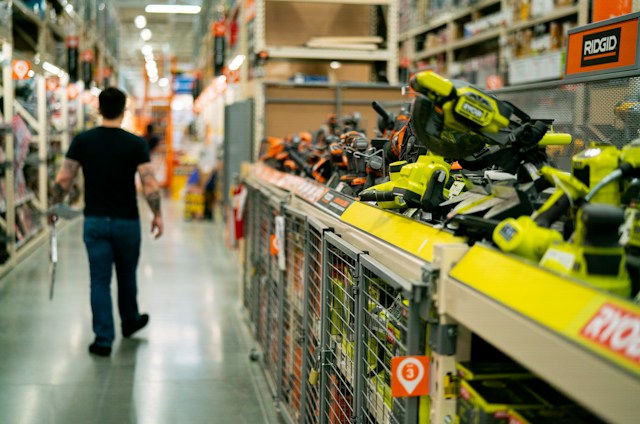
Buying major equipment can shape a business’s finances for years. The right purchase can increase capacity, improve efficiency, and reduce operating costs. However, it can also tie up cash that may be needed for payroll, inventory, or unexpected expenses.
That balance becomes harder to manage when operating costs are already rising. Bank of America’s 2024 Business Owner Report found that 84% of small business owners said inflation was affecting their businesses. The report also found that 40% were reevaluating cash flow and spending because of inflation.
So, when does expensive equipment become a worthwhile investment? The answer isn’t found in the purchase price alone. Businesses need to consider the problem the equipment solves, its potential return, its effect on cash flow, and how it will support long-term growth.
Start With the Business Problem
Before comparing equipment models, identify what the purchase needs to accomplish. An expensive machine isn’t an investment simply because it’s newer or more efficient.
Ask what current equipment is costing the business. Frequent repairs, production delays, wasted materials, and limited capacity provide a useful baseline for evaluating a replacement.
Consider an auto body painting business with an aging spray booth. If repairs are frequent and downtime limits the number of vehicles the shop can handle, buying a new spray booth could improve capacity and reduce costly interruptions. GSB Industries notes that professional booth installation and maintenance can help reduce downtime while supporting consistent finishes.
A business looking to buy a new spray booth may therefore see the purchase as a productivity investment, rather than simply another expense. By contrast, a fabrication company replacing a reliable machine for minor upgrades may gain little financially. The difference is whether the equipment solves a measurable problem.
Calculate What the Equipment Can Actually Deliver in Return
Once the problem is clear, estimate the financial value the equipment could create. This means looking at more than direct savings. Could it increase production capacity? Could it reduce labor or repair costs? Could better output allow the business to take on additional customers? Could fewer breakdowns prevent lost revenue?
J.P. Morgan’s David Feldser offers a useful perspective. He explains that businesses should consider equipment financing alongside their broader liquidity position. The value of an equipment investment should therefore be considered alongside the financial flexibility it preserves.
For example, suppose a $100,000 machine could generate $30,000 in annual savings and additional profit. Its simple payback period would be about 3.3 years.
That calculation won’t guarantee a return. However, it forces the owner to connect the purchase with measurable business results. Conservative assumptions are important. An investment shouldn’t depend on a best-case sales forecast.
Protect Cash Flow After the Purchase
A business can afford an asset on paper and still struggle after buying it. That makes cash flow worth testing before signing a purchase agreement.
Bank of America’s Eric Calaman advises owners to estimate payroll and other expenses before making major financial decisions. He also recommends accounting for upcoming bills and invoices. Businesses should project earnings three months, six months, and one year ahead. This can reveal potential cash shortfalls before they become urgent.
That becomes important when comparing a cash purchase with financing. Paying upfront avoids interest, but it can reduce money available for payroll, inventory, or repairs. Bank of America also recommends keeping a cash reserve equal to about three months of expenses.
A business should therefore examine its finances beyond the purchase date. The right equipment decision should leave enough cash to handle normal costs and unexpected setbacks.
Choose Financing Based on the Equipment’s Useful Life
Financing can make a major equipment purchase easier to manage. However, the financing structure should match the equipment and the business’s cash flow.
A February 2026 equipment-financing guide from IRAEmpire explains that equipment loans often use fixed monthly payments. The equipment may also serve as collateral for the loan. Loan terms can also reflect how long the equipment is expected to remain useful.
This creates an important distinction. Equipment expected to generate value for many years may suit a traditional equipment loan. Equipment that could become outdated quickly may make leasing more practical.
Businesses should compare interest rates, repayment periods, fees, and total borrowing costs. They should also estimate whether the equipment can generate enough revenue or savings to cover those payments.
A smaller monthly payment does not necessarily mean a better financing deal. Longer terms can reduce monthly pressure but increase the total financing cost. The right option should fit the equipment’s useful life and the company’s expected cash flow.
Look for Ways to Reduce the Financial Burden
Before paying for major equipment, check whether government programs can help reduce the cost. Local and state agencies may offer rebates, grants, tax incentives, or other support for business investments.
A May 2025 WXXI News report offers a useful example. Monroe County launched Equip Monroe to help qualifying small businesses offset equipment costs. The program offered rebates of up to $5,000, depending on the size of the purchase.
Monroe County Executive Adam Bello said small businesses face growing pressure from inflation, supply-chain disruptions, and pending tariffs. He explained that many still need expensive equipment to compete and grow. The rebate program was designed to help businesses manage that uncertainty while continuing to invest.
The lesson is worth applying elsewhere. Before committing cash or taking on debt, research government initiatives available to your business. A rebate or incentive can reduce the upfront cost and make a worthwhile investment easier to manage.
FAQs
How should businesses estimate an equipment’s resale value?
Research the resale prices of similar used equipment before making a purchase. Consider the asset’s expected lifespan, maintenance history, brand reputation, and demand in the secondhand market. A strong resale value can reduce the effective cost of ownership when the business eventually upgrades.
When should a business delay an equipment purchase?
A business may want to delay the purchase when demand is uncertain, or management lacks reliable financial projections. Waiting can also make sense when the equipment is likely to become outdated soon. However, delaying a necessary replacement can become costly if breakdowns continue disrupting operations.
Should businesses consider maintenance costs before buying equipment?
Yes, maintenance can significantly affect an asset’s total cost over several years. Businesses should estimate routine servicing, replacement parts, labor, and potential repairs before choosing between models. Equipment with a lower purchase price may ultimately cost more if it requires frequent or expensive maintenance.
Financial Benchmarks to Consider Before Buying Equipment
| Inflation is increasing financial pressure on small businesses | 84% reported an impact |
| Businesses are reassessing spending because of rising costs | 40% are reevaluating cash flow and spending |
| Cash reserves can provide protection during unexpected setbacks | About 3 months of expenses |
| Government support can reduce the cost of equipment purchases | Up to $5,000 in rebates |
| Equipment financing can help businesses preserve liquidity | Working capital remains available for other needs |
Before making the final decision, calculate the equipment’s total cost, expected return, financing expenses, and impact on cash flow. Also consider any grants, rebates, or tax incentives that could reduce the upfront burden. These factors provide a clearer picture of whether the purchase can support the business over time.
A major equipment purchase should do more than add a new asset to the balance sheet. It should solve a real problem, improve operations, increase capacity, or create new revenue opportunities. The smartest purchase isn’t necessarily the cheapest option. It’s the one that delivers enough long-term value to justify its cost while keeping the business financially stable.
This post may contain affiliate links.
More Recommended Ebike/Scooters
Check out these other ebikes and scooters I've reviewed:
- Urban Arrow Ebike – Last year, I made one of the largest purchases I’ve ever made – I bought a $9,000 electric cargo bike from Urban Arrow. In my Urban Arrow review, I will discuss what it is and why I decided to buy this bike, as well as discuss how impactful a bike like this can be on your journey to financial independence.
- Troxus Explorer Step-Thru Ebike – The Troxus Explorer Step-Thru is a fat-tire ebike that I’ve had the pleasure of riding for a while now. It has amazing power, great looks, and awesome range. If you’re looking for a great fat-tire ebike that offers a lot for the price, the Troxus Explorer Step-Thru is definitely one for you to consider. Check out my Troxus Explorer Step-Thru Review.
- Hovsco HovBeta Ebike – The HovBeta is a folding ebike with great specs and a lot of interesting features, and importantly, it’s sold at a good price point. I’ve had a blast commuting with it and using it to do deliveries with DoorDash, Uber Eats, and Grubhub. Check out my Hovsco HovBeta Ebike Review.
- Vanpowers Manidae Ebike – The Vanpowers Manidae is a fat tire ebike that I’ve been riding as my primary winter commuting bike and have also been using it to do food delivery with apps like DoorDash, Uber Eats, and Grubhub. After clocking in a decent number of miles with this ebike, I wanted to write a post sharing what my experience with the Vanpowers Manidae ebike has been like. Check out my Vanpowers Manidae Review.
- Sohamo S3 Step-Thru Folding EBike Review – A Great Value Folding Ebike – The Sohamo S3 Step-Thru Folding Ebike is an entry-level folding ebike that offers a lot of value for the price point. I’ve been riding the Sohamo S3 for a while now, putting the bike through its paces, and I have to say, this bike has exceeded all of my expectations. Check out my Sohamo Review.
- KBO Flip Ebike – The KBO Flip is an excellent bike. I’ve had a great time riding it and think it’s a versatile bike that can be used for a lot of purposes and can fit a variety of lifestyles. It’s worked out great for me as a general commuter bike and as a food delivery bike. Check out my KBO Flip Review.
- Hiboy P7 Commuter Ebike – The Hiboy P7 is an excellent electric commuter bike that’s offered at an affordable price point. The range and speed of this bike are both very good, so you won’t have any trouble getting anywhere you need to go with it. As a food delivery vehicle, this is also good – with how much range it offers, you’ll be able to work all day on a single charge. Check out my Hiboy P7 Commuter Electric Bike Review.
- Himiway Escape Ebike – The Himiway Escape is an interesting bike for anyone looking for a moped-style ebike. If you’re a gig economy worker, the Himiway Escape is particularly interesting and it’s possible to think of it as an investment, especially if you can opt to do deliveries with the Himiway versus using a car. It’s not cheap, but you can definitely make your money back when you compare the mileage you’ll put on your car versus using an ebike. Check out my Himiway Escape Bike Review.
- Espin Sport Ebike – The Espin Sport is a good ebike for someone who is looking for an ebike that feels and rides more like a regular bike. There are many ebikes that are really only bikes in name. In reality, they’re basically electric mopeds. The Espin Sport, by contrast, is a bike you could probably ride without the battery and you’d feel like you’re just riding a regular bike. Check out my Espin Sport Review.
- Varla Eagle One Scooter – The Varla Eagle One is an excellent scooter that can make sense for a lot of people. It can work as a primary mode of transportation. You can use it to work on gig economy apps like DoorDash, Uber Eats, and Grubhub. And it can also be a recreational vehicle if you’d prefer to use it for that. Check out my Varla Eagle One Review.
- Varla Falcon Scooter – The Varla Falcon is an excellent scooter that offers a good amount of power at a lower price point compared to more powerful scooters. It’s not exactly an entry-level scooter, nor is it a high-powered scooter. I think it fits somewhere in-between those two categories – an intermediate scooter if I had to give it a category. Check out my Varla Falcon Review.
- Hiboy S2 Scooter – The Hiboy S2 is an excellent entry-level commuter scooter that's perfect for someone looking to save some money in transportation costs and improve their commute. Check out my Hiboy S2 Review.
- Hiboy S2R Scooter – The Hiboy S2R is one of the more interesting electric scooters I’ve been able to test out. It’s not a high-powered scooter, but for an everyday transport option, it’s very useful, especially given some of the unique features that it has. Indeed, for the price, the Hiboy S2R might be the best value scooter I’ve used. Check out my Hiboy S2R Review.
- Fucare H3 Scooter – The Fucare H3 is a fun scooter and I’ve enjoyed testing it out. For a daily commuter or quick trips or errands, the Fucare H3 is probably the scooter I’ll use. It’s portable and easy to maneuver, so it’s just easier to take on the road when I need it. Check out my Fucare H3 Scooter Review.
More Recommended Investing App Bonuses
For additional investing app bonuses, be sure to check out the ones below:
- M1 Finance ($75) – This is a great robo-advisor that has no fees and allows you to create a customized portfolio based on your risk tolerance. You also get $75 for opening an account. Check out my M1 Finance Referral Bonus – Step-By-Step Guide.
- SoFi Invest ($25) – SoFi Invest is an easy brokerage account bonus that you can earn with just a few minutes of work. Use my SoFi Invest referral link, fund your SoFi Invest brokerage account with just $10 and you’ll get $25 of free stock. I also have a step-by-step guide for the SoFi Invest referral bonus.
- Robinhood (1 free stock) – Robinhood gives you a free stock valued between $2.50-$225 if you open an account using my referral link.
- Public (1 free stock) - Public gives you a free stock valued between $3-$70 if you open an account using my referral link.
More Recommended Bank Account Bonuses
If you’re looking for more easy bank bonuses, check out the below options. These bonuses are all easy to earn and have no fees or minimum balance requirements to worry about.
- Ally Bank ($100) – Of all the banks out there, Ally is, without a doubt, my favorite. At the moment, Ally is offering $100 to customers who open an eligible Ally account and meet the requirements. Here are the step-by-step directions to earn your Ally Bank referral bonus.
- Chime ($100) - Chime is a free bank account that offers a referral bonus if you use a referral link and complete a direct deposit of $200 or more. In practice, any ACH transfer into this account triggers the bonus. This bonus is easy to earn and posts instantly, so you’ll know if you met the requirements as soon as you move money into the account. I wrote a step-by-step guide on how to earn your Chime referral bonus that I recommend you check out.
- US Bank Business ($400/$1200) – This is a fairly easy bank bonus to earn, since there are no direct deposit requirements. In addition, you can open the Silver Business Checking account, which comes with no monthly fees. Check out how to earn this big bonus here.
- Current ($50) – Current is a free fintech bank that’s offering new users a $50 referral bonus after signing up for an account using a referral link. Current is an easy bonus to earn and also gives you access to three savings accounts that pay you 4% interest on up to $2,000. That means you can put away up to $6,000 earning 4% interest. That’s very good and makes Current an account I recommend to everyone. Check out my step-by-step guide on how to earn your Current Bank bonus.
- Novo Bank ($40) - Novo bank is a free business checking account that’s currently offering a $40 bonus if you open a Novo business checking account using a referral link. In addition to being a good bank bonus, Novo is also a good business checking account. It has no monthly fees or minimum balance requirements and operates a good app and website. Indeed, it’s the business checking account I currently use for this blog. Check out my post on how to easily open a Novo account.
- Varo ($25) – Varo is a free fintech banking app similar to Chime or Current. It’s currently offering a $25 bonus to new users that open a new Varo account with a referral link. The bonus for this bank is very easy to meet, all you need to do is spend $20 within 30 days of opening your Varo account. Check out my step-by-step guide to learn how to earn this bonus.

Kevin is an attorney and the blogger behind Financial Panther, a blog about personal finance, travel hacking, and side hustling using the gig economy. He paid off $87,000 worth of student loans in just 2.5 years by choosing not to live like a big shot lawyer.
Kevin is passionate about earning money using the gig economy and you can see all the ways he makes extra income every month in his side hustle reports.
Kevin is also big on using the latest fintech apps to improve his finances. Some of Kevin's favorite fintech apps include:
- SoFi Money. A really good checking account with absolutely no fees. You'll get a $25 referral bonus if you open a SoFi Money account with a referral link, and an additional $300 if you complete a direct deposit.
- 5% Savings Accounts. I'm currently getting 5.24% interest on my savings through a company called Raisin. Opening a Raisin account takes minutes to complete, it's free, and all of your funds are FDIC-insured. I explain how it works, why I'm now using it to store my emergency fund and any other cash savings I have, and why I recommend everyone check it out in this review.
- US Bank Business. US Bank is currently offering new business customers a $400/$1200 signup bonus after opening a new account and meeting certain requirements.
- M1 Finance. This is a great robo-advisor that has no fees and allows you to create a customized portfolio based on your risk tolerance. You also get $75 for opening an account.
- Empower. One of best free apps you can use to monitor your portfolio and track your net worth. This is one of the apps I use to track my financial accounts.
Feel free to send Kevin a message here.

Leave a Reply