Most people chasing financial freedom think about saving more or investing smarter. Building a skill set that pays on its own is less common but often more effective. Digital marketing does exactly that, whether you work freelance, run a side business, or want to grow a brand without hiring an agency.
Getting started is more accessible than people expect. Formal training, structured mentorship, and real project work close the gap much faster than free tutorials scattered across YouTube and blog posts. The learning curve is real, but it is not as steep as most people assume before they start.

Why Digital Marketing Builds Real Income
Few skills translate as directly into earning potential as digital marketing does. The connection between learning something and getting paid for it is short, which is rare in most fields. You can pick up one area, start offering it as a service, and build from there.
@ASK Training’s digital marketing courses cover SEO, social media, paid advertising, and content creation, with SkillsFuture funding available for eligible learners in Singapore. Starting with that kind of structured foundation means you can take on real client work faster and with more confidence.
The demand side is not a concern either. The U.S. Bureau of Labor Statistics projects roles in marketing analysis and digital strategy to grow faster than average over the next decade. That holds across most developed markets, not just the United States.
Search Engine Optimization
SEO is genuinely one of the most portable skills in this field. A local restaurant, a freelance photographer, a software startup — they all need it, and the core principles stay consistent across every niche. Once you understand how search engines evaluate pages, that knowledge applies almost everywhere.
What SEO Involves
People often assume SEO is mostly about keywords. The work actually spans three areas that feed into each other.
- Technical performance: Pages need to load fast, display properly on mobile, and be structured so search engines can read and index them without problems.
- Content relevance: Every page should reflect how real people search, not how a brand thinks they search. That gap is often wider than clients expect.
- Authority building: Links from credible external sites tell search engines your pages are worth ranking. This takes time but compounds well.
Every one of these areas is billable work. Freelance SEO consultants commonly work on monthly retainers, and the demand stays steady year-round regardless of industry cycles.
Content Marketing and Writing
Content marketing runs alongside SEO but works perfectly well as a standalone service too. The scope covers blog articles, email newsletters, video scripts, case studies, and long-form guides. The purpose is building an audience gradually, not just filling a calendar.
Strong copy does more than meet a word count target. It holds attention, answers something the reader genuinely needed to know, and moves them forward without feeling like a pitch. That balance between being useful and being persuasive is what separates average writers from those who charge premium rates.
Why Writers with SEO Knowledge Earn More
There is a real rate difference between generalist writers and those who understand SEO, and clients feel it quickly.
A writer who can research keywords, build articles around search intent, and optimize for featured snippets brings trackable results. That makes the engagement easier to justify, longer in duration, and more likely to generate referrals. Clients renew work they can measure, and they refer people when results show up consistently.
Paid Advertising
Paid ads on Google and Meta rank among the highest-value skills you can offer any client. Budgets are real money, results show up fast, and businesses will pay well for someone who does not waste either.
Once you have a repeatable process, running ads for several clients at once becomes manageable. Most specialists follow a fairly consistent workflow.
- Audit and setup: Reviewing the existing account, fixing broken tracking, and making sure campaign goals match actual business objectives.
- Campaign build: Writing ad copy, choosing audiences, setting bid strategies, and launching with small controlled budgets to gather early data.
- Ongoing optimization: Checking performance weekly, adjusting what is not working, and scaling what converts reliably.
Getting good at paid ads requires real ad spend during the learning phase. The return comes faster than most organic channels though, sometimes within the first week of a well-structured campaign. Many freelancers start by running ads for one or two small businesses, building a track record before moving on to larger budgets.
Social Media Management
Social media management gets underestimated regularly, and that works in your favor as a freelancer. Handled properly, it covers post planning, community engagement, analytics, and sometimes paid promotion on top. That is more than most small business owners can realistically manage alongside running their actual business.
Pew Research Center data shows how deeply embedded platform use is across every age group. Businesses know they need a presence, and many will outsource that work to someone organized and consistent. The client base for this service is genuinely large.
What the Role Actually Covers
Many clients think social media management means scheduling posts. The full scope goes considerably further than that.
- Content strategy: Building post themes and cadence around audience behavior and platform-specific patterns.
- Community management: Responding to comments and messages while keeping the brand voice consistent across every interaction.
- Performance reporting: Tracking follower growth, engagement rates, and conversions so clients see measurable progress monthly.
Managers who handle strategy and execution together charge significantly more than those who only handle posting. Adding a reporting layer to your service makes the value visible every single month.
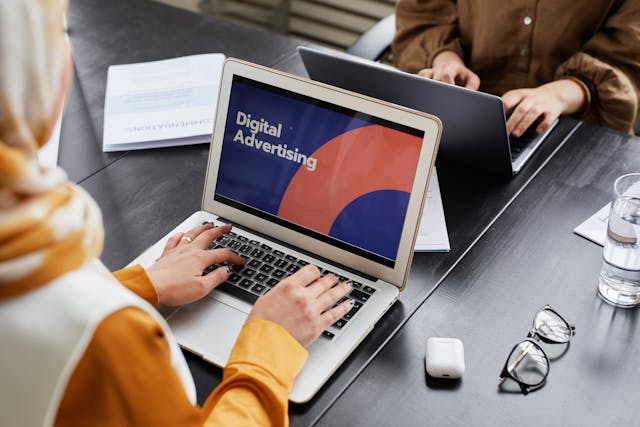
Turning These Skills Into a Financial Plan
Combining two or three skills tends to work better than trying to learn everything at once. An SEO-focused writer who also handles email strategy covers a wide client range without overextending. That kind of overlap between skills makes you more valuable and harder to replace.
Structured training shortens the path considerably compared to self-directed learning. A small portfolio built on real client work, even at lower starting rates, creates the track record that attracts better-paying projects. From there, the growth compounds on its own as reputation builds and referrals replace cold outreach. The financial upside of combining marketable digital skills with consistent delivery is significant, and it builds over time in a way that a single income stream rarely does.
This post may contain affiliate links.
More Recommended Ebike/Scooters
Check out these other ebikes and scooters I've reviewed:
- Urban Arrow Ebike – Last year, I made one of the largest purchases I’ve ever made – I bought a $9,000 electric cargo bike from Urban Arrow. In my Urban Arrow review, I will discuss what it is and why I decided to buy this bike, as well as discuss how impactful a bike like this can be on your journey to financial independence.
- Troxus Explorer Step-Thru Ebike – The Troxus Explorer Step-Thru is a fat-tire ebike that I’ve had the pleasure of riding for a while now. It has amazing power, great looks, and awesome range. If you’re looking for a great fat-tire ebike that offers a lot for the price, the Troxus Explorer Step-Thru is definitely one for you to consider. Check out my Troxus Explorer Step-Thru Review.
- Hovsco HovBeta Ebike – The HovBeta is a folding ebike with great specs and a lot of interesting features, and importantly, it’s sold at a good price point. I’ve had a blast commuting with it and using it to do deliveries with DoorDash, Uber Eats, and Grubhub. Check out my Hovsco HovBeta Ebike Review.
- Vanpowers Manidae Ebike – The Vanpowers Manidae is a fat tire ebike that I’ve been riding as my primary winter commuting bike and have also been using it to do food delivery with apps like DoorDash, Uber Eats, and Grubhub. After clocking in a decent number of miles with this ebike, I wanted to write a post sharing what my experience with the Vanpowers Manidae ebike has been like. Check out my Vanpowers Manidae Review.
- Sohamo S3 Step-Thru Folding EBike Review – A Great Value Folding Ebike – The Sohamo S3 Step-Thru Folding Ebike is an entry-level folding ebike that offers a lot of value for the price point. I’ve been riding the Sohamo S3 for a while now, putting the bike through its paces, and I have to say, this bike has exceeded all of my expectations. Check out my Sohamo Review.
- KBO Flip Ebike – The KBO Flip is an excellent bike. I’ve had a great time riding it and think it’s a versatile bike that can be used for a lot of purposes and can fit a variety of lifestyles. It’s worked out great for me as a general commuter bike and as a food delivery bike. Check out my KBO Flip Review.
- Hiboy P7 Commuter Ebike – The Hiboy P7 is an excellent electric commuter bike that’s offered at an affordable price point. The range and speed of this bike are both very good, so you won’t have any trouble getting anywhere you need to go with it. As a food delivery vehicle, this is also good – with how much range it offers, you’ll be able to work all day on a single charge. Check out my Hiboy P7 Commuter Electric Bike Review.
- Himiway Escape Ebike – The Himiway Escape is an interesting bike for anyone looking for a moped-style ebike. If you’re a gig economy worker, the Himiway Escape is particularly interesting and it’s possible to think of it as an investment, especially if you can opt to do deliveries with the Himiway versus using a car. It’s not cheap, but you can definitely make your money back when you compare the mileage you’ll put on your car versus using an ebike. Check out my Himiway Escape Bike Review.
- Espin Sport Ebike – The Espin Sport is a good ebike for someone who is looking for an ebike that feels and rides more like a regular bike. There are many ebikes that are really only bikes in name. In reality, they’re basically electric mopeds. The Espin Sport, by contrast, is a bike you could probably ride without the battery and you’d feel like you’re just riding a regular bike. Check out my Espin Sport Review.
- Varla Eagle One Scooter – The Varla Eagle One is an excellent scooter that can make sense for a lot of people. It can work as a primary mode of transportation. You can use it to work on gig economy apps like DoorDash, Uber Eats, and Grubhub. And it can also be a recreational vehicle if you’d prefer to use it for that. Check out my Varla Eagle One Review.
- Varla Falcon Scooter – The Varla Falcon is an excellent scooter that offers a good amount of power at a lower price point compared to more powerful scooters. It’s not exactly an entry-level scooter, nor is it a high-powered scooter. I think it fits somewhere in-between those two categories – an intermediate scooter if I had to give it a category. Check out my Varla Falcon Review.
- Hiboy S2 Scooter – The Hiboy S2 is an excellent entry-level commuter scooter that's perfect for someone looking to save some money in transportation costs and improve their commute. Check out my Hiboy S2 Review.
- Hiboy S2R Scooter – The Hiboy S2R is one of the more interesting electric scooters I’ve been able to test out. It’s not a high-powered scooter, but for an everyday transport option, it’s very useful, especially given some of the unique features that it has. Indeed, for the price, the Hiboy S2R might be the best value scooter I’ve used. Check out my Hiboy S2R Review.
- Fucare H3 Scooter – The Fucare H3 is a fun scooter and I’ve enjoyed testing it out. For a daily commuter or quick trips or errands, the Fucare H3 is probably the scooter I’ll use. It’s portable and easy to maneuver, so it’s just easier to take on the road when I need it. Check out my Fucare H3 Scooter Review.
More Recommended Investing App Bonuses
For additional investing app bonuses, be sure to check out the ones below:
- M1 Finance ($75) – This is a great robo-advisor that has no fees and allows you to create a customized portfolio based on your risk tolerance. You also get $75 for opening an account. Check out my M1 Finance Referral Bonus – Step-By-Step Guide.
- SoFi Invest ($25) – SoFi Invest is an easy brokerage account bonus that you can earn with just a few minutes of work. Use my SoFi Invest referral link, fund your SoFi Invest brokerage account with just $10 and you’ll get $25 of free stock. I also have a step-by-step guide for the SoFi Invest referral bonus.
- Robinhood (1 free stock) – Robinhood gives you a free stock valued between $2.50-$225 if you open an account using my referral link.
- Public (1 free stock) - Public gives you a free stock valued between $3-$70 if you open an account using my referral link.
More Recommended Bank Account Bonuses
If you’re looking for more easy bank bonuses, check out the below options. These bonuses are all easy to earn and have no fees or minimum balance requirements to worry about.
- Ally Bank ($100) – Of all the banks out there, Ally is, without a doubt, my favorite. At the moment, Ally is offering $100 to customers who open an eligible Ally account and meet the requirements. Here are the step-by-step directions to earn your Ally Bank referral bonus.
- Chime ($100) - Chime is a free bank account that offers a referral bonus if you use a referral link and complete a direct deposit of $200 or more. In practice, any ACH transfer into this account triggers the bonus. This bonus is easy to earn and posts instantly, so you’ll know if you met the requirements as soon as you move money into the account. I wrote a step-by-step guide on how to earn your Chime referral bonus that I recommend you check out.
- US Bank Business ($400/$1200) – This is a fairly easy bank bonus to earn, since there are no direct deposit requirements. In addition, you can open the Silver Business Checking account, which comes with no monthly fees. Check out how to earn this big bonus here.
- Current ($50) – Current is a free fintech bank that’s offering new users a $50 referral bonus after signing up for an account using a referral link. Current is an easy bonus to earn and also gives you access to three savings accounts that pay you 4% interest on up to $2,000. That means you can put away up to $6,000 earning 4% interest. That’s very good and makes Current an account I recommend to everyone. Check out my step-by-step guide on how to earn your Current Bank bonus.
- Novo Bank ($40) - Novo bank is a free business checking account that’s currently offering a $40 bonus if you open a Novo business checking account using a referral link. In addition to being a good bank bonus, Novo is also a good business checking account. It has no monthly fees or minimum balance requirements and operates a good app and website. Indeed, it’s the business checking account I currently use for this blog. Check out my post on how to easily open a Novo account.
- Varo ($25) – Varo is a free fintech banking app similar to Chime or Current. It’s currently offering a $25 bonus to new users that open a new Varo account with a referral link. The bonus for this bank is very easy to meet, all you need to do is spend $20 within 30 days of opening your Varo account. Check out my step-by-step guide to learn how to earn this bonus.

Kevin is an attorney and the blogger behind Financial Panther, a blog about personal finance, travel hacking, and side hustling using the gig economy. He paid off $87,000 worth of student loans in just 2.5 years by choosing not to live like a big shot lawyer.
Kevin is passionate about earning money using the gig economy and you can see all the ways he makes extra income every month in his side hustle reports.
Kevin is also big on using the latest fintech apps to improve his finances. Some of Kevin's favorite fintech apps include:
- SoFi Money. A really good checking account with absolutely no fees. You'll get a $25 referral bonus if you open a SoFi Money account with a referral link, and an additional $300 if you complete a direct deposit.
- 5% Savings Accounts. I'm currently getting 5.24% interest on my savings through a company called Raisin. Opening a Raisin account takes minutes to complete, it's free, and all of your funds are FDIC-insured. I explain how it works, why I'm now using it to store my emergency fund and any other cash savings I have, and why I recommend everyone check it out in this review.
- US Bank Business. US Bank is currently offering new business customers a $400/$1200 signup bonus after opening a new account and meeting certain requirements.
- M1 Finance. This is a great robo-advisor that has no fees and allows you to create a customized portfolio based on your risk tolerance. You also get $75 for opening an account.
- Empower. One of best free apps you can use to monitor your portfolio and track your net worth. This is one of the apps I use to track my financial accounts.
Feel free to send Kevin a message here.

Leave a Reply